RAS vs. Traditional Aquaculture: Economics for GCC Farms
RAS is not automatically the right choice for every aquaculture project — it carries higher capital and energy costs than pond or flow-through systems. The economic case for RAS depends on weighing those higher costs against specific advantages that matter more in some regions than others — and few regions illustrate that trade-off as clearly as the water-scarce GCC.
The Academic Framing of RAS Economics
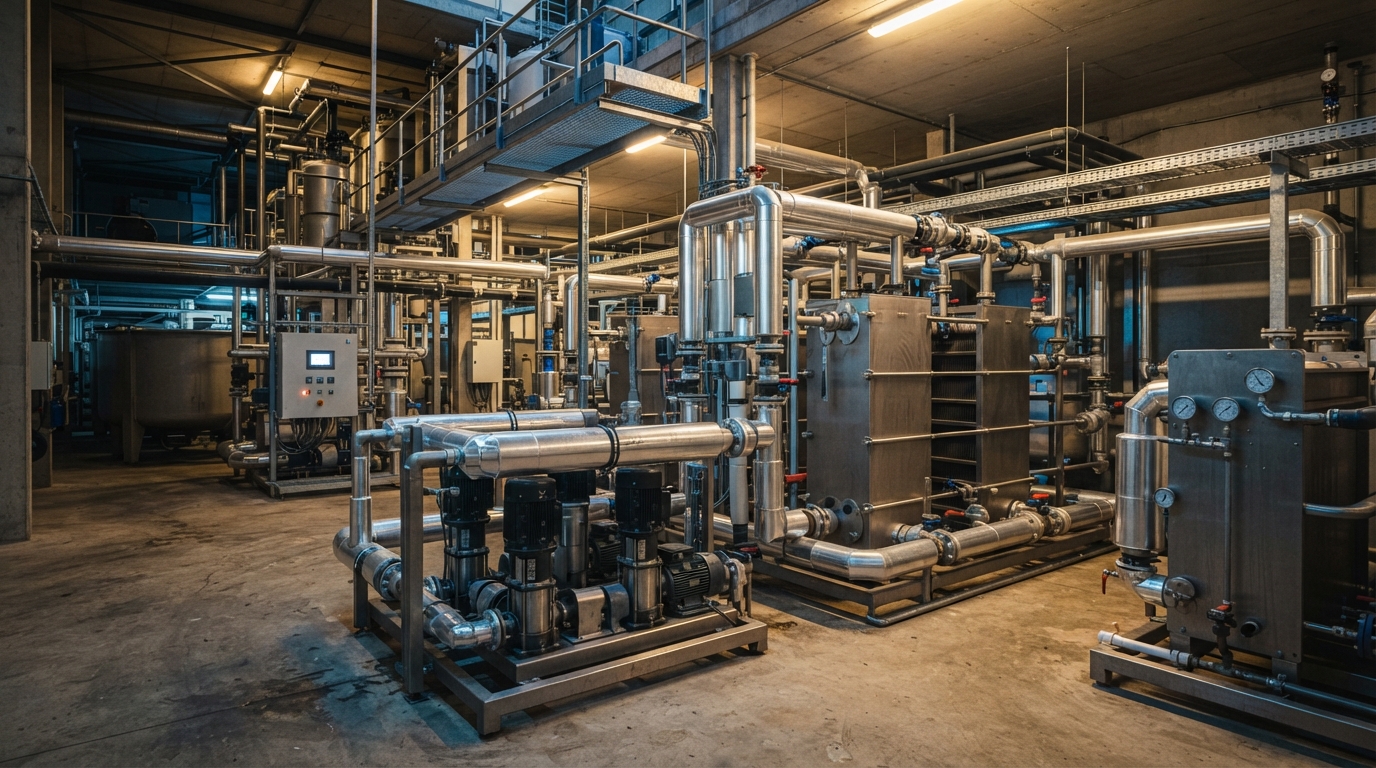
A 2023 economic analysis published in the Journal of the World Aquaculture Society provides one of the most direct — and notably cautionary — treatments of this trade-off, examining the cost structure of recirculating systems relative to conventional aquaculture. Rather than framing RAS as broadly cost-competitive, the analysis finds that RAS often underperforms pond and flow-through systems specifically on energy, water-cost, and capital efficiency, and documents a high reported failure rate among commercial RAS ventures once full costs are accounted for (Engle, C.R., 2023, "The economics of recirculating aquaculture systems," Journal of the World Aquaculture Society, Wiley Online Library). This reframes RAS's economic case: its advantages lie in land-use flexibility, biosecurity, and siting independence from a natural water body — not in RAS being inherently cheaper to run than conventional aquaculture. This is echoed in a broader 2025 review of RAS advances and sustainable growth pathways (ScienceDirect, "Recirculating aquaculture systems: Advances, impacts, and integrated pathways for sustainable growth").
Water: The Advantage That Doesn't Show Up on a Simple Cost Comparison
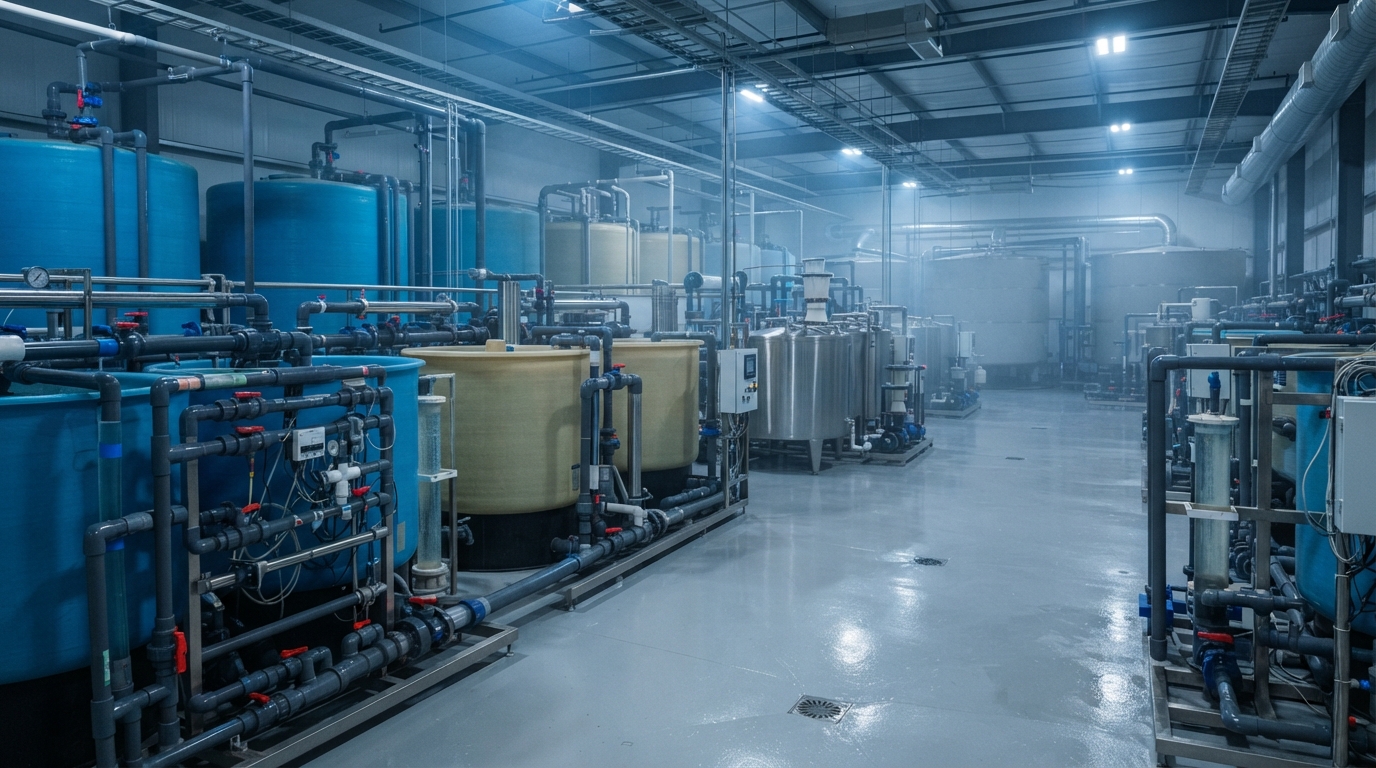
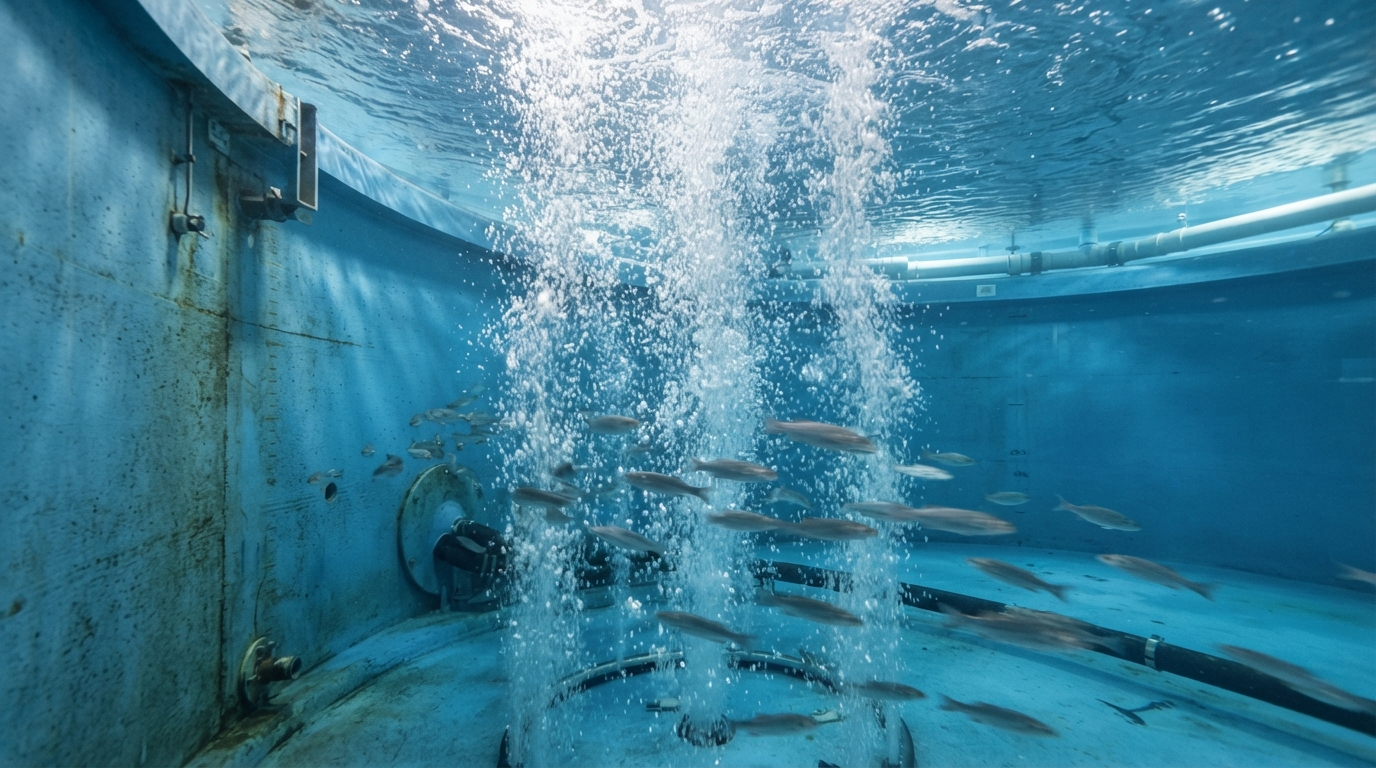
The FAO's technical documentation notes that RAS can operate with daily water exchange rates as low as 5-10% of system volume, compared to the far higher exchange requirements of flow-through systems (FAO, Recirculating Systems and Re-use of Water in Aquaculture). A regulatory and economic overview of land-based aquaculture identifies water availability and discharge regulation as central factors shaping where recirculating technology becomes the economically preferred option (Oregon Department of Environmental Quality, "Land-Based Aquaculture").
Siting Flexibility Changes the Real Estate Equation
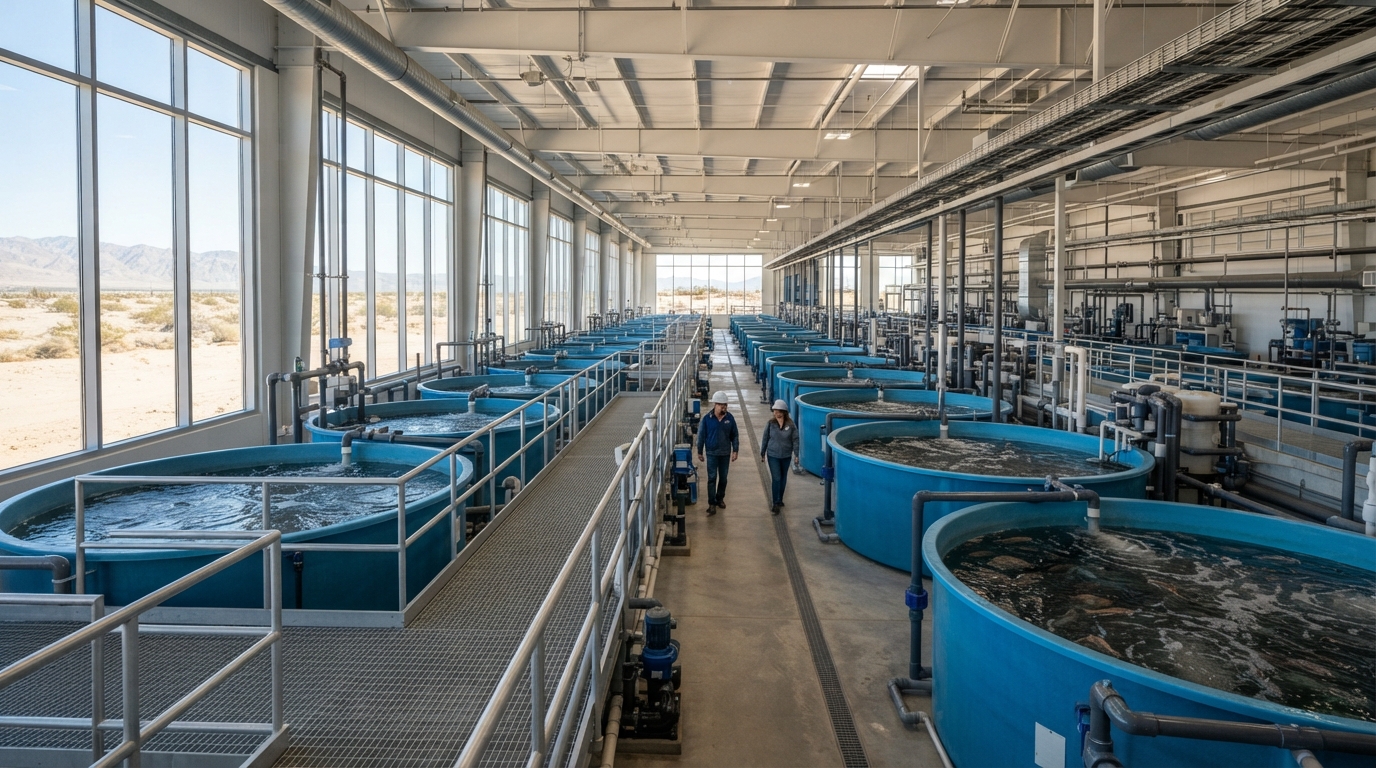
Because RAS does not depend on proximity to a natural water body, facilities can be located inland, closer to processing infrastructure, transport corridors, or urban consumer markets. For GCC markets specifically, where most fish consumption is currently supplied via imports, this siting flexibility means production can be located near the point of consumption.
Why 'Cheaper Per Kilogram' Is the Wrong Comparison
Comparing RAS and conventional aquaculture purely on production cost per kilogram often misses the point in water-constrained or import-dependent markets: the relevant comparison is not RAS versus pond aquaculture, but RAS versus the cost, logistics, and supply-chain risk of importing seafood at all.
ADEC engineers RAS facilities specifically for GCC water economics and siting realities. See why RAS makes sense here →
Learn moreIs RAS always more expensive than pond farming?+
On a pure production-cost basis, often yes, primarily due to energy and capital costs. But that comparison excludes water cost/availability and siting value.
Does RAS make sense outside of water-scarce regions?+
Yes, though the economic case shifts — advantages tend to center more on biosecurity, disease control, and consistent year-round production.
What is the biggest cost driver in RAS operating expenses?+
As in most aquaculture, feed is typically the single largest recurring operating cost line item. Energy (pumping, aeration, and especially temperature control) is not usually the largest cost in absolute terms, but it is the cost category most responsible for RAS's cost disadvantage relative to pond or flow-through systems, since those systems have minimal energy costs by comparison.
- Engle, C.R. (2023). The economics of recirculating aquaculture systems. Journal of the World Aquaculture Society, Wiley Online Library.
- Recirculating aquaculture systems: Advances, impacts, and integrated pathways for sustainable growth. ScienceDirect.
- FAO. Recirculating Systems and Re-use of Water in Aquaculture, Chapter 15.
- Oregon Department of Environmental Quality. Land-Based Aquaculture.
Written and reviewed by ADEC's in-house aquarium life support and recirculating aquaculture engineers. ADEC designs, builds and operates turnkey aquarium and RAS facilities across the GCC, and is a member of the European Union of Aquarium Curators (EUAC), EUOTA and the European Aquaculture Society (AquaEAS), with CE-certified OCEANTECH™ equipment.
Get new articles in your inbox
Occasional, science-based insights on aquarium LSS and RAS aquaculture. No spam.