Quarantine and Biosecurity Systems for Public Aquariums
A single disease introduction into a shared, recirculating exhibit system can threaten an entire collection at once — a risk that has no real equivalent in isolated home aquariums. Public aquariums manage this through dedicated quarantine systems and structured biosecurity protocols, both grounded in veterinary and fisheries health research developed initially for research and production aquaculture facilities.
Why Quarantine Systems Must Be Physically Isolated
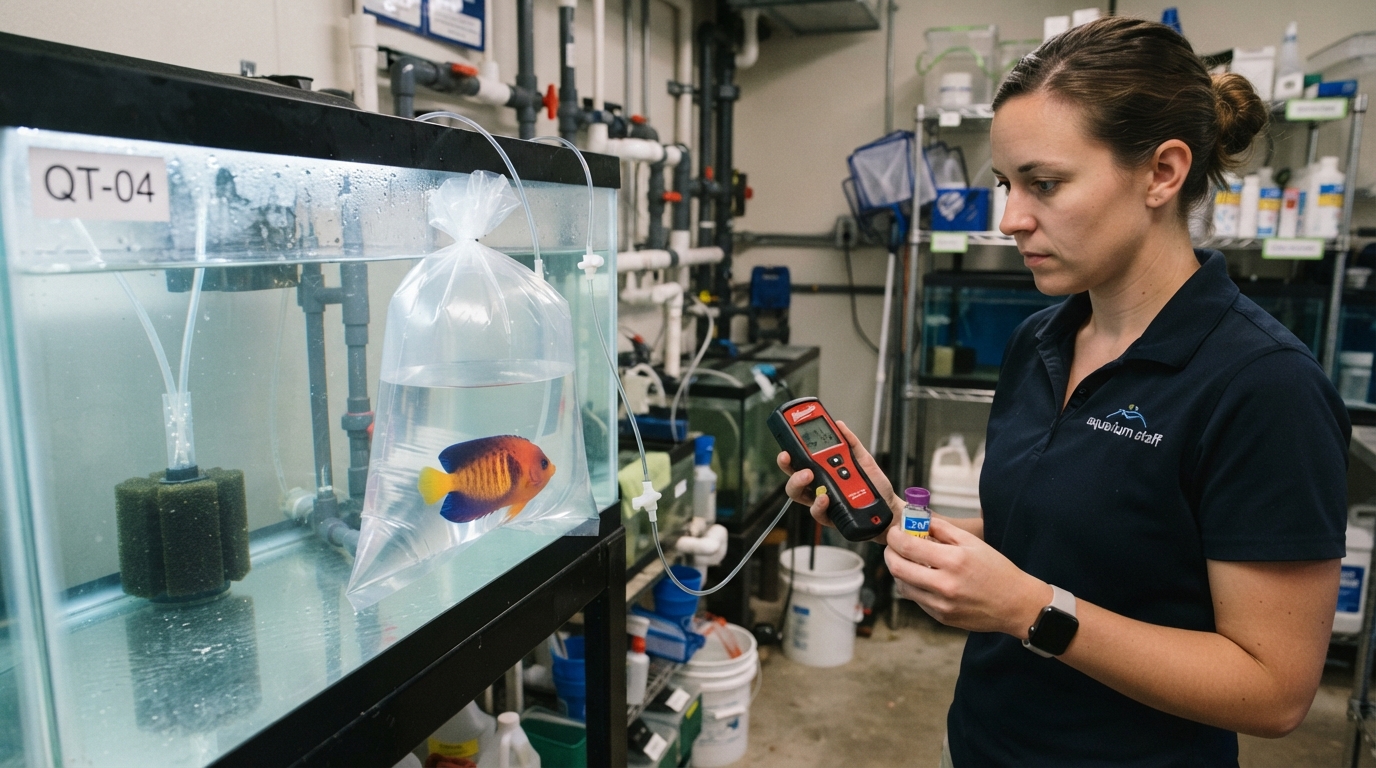
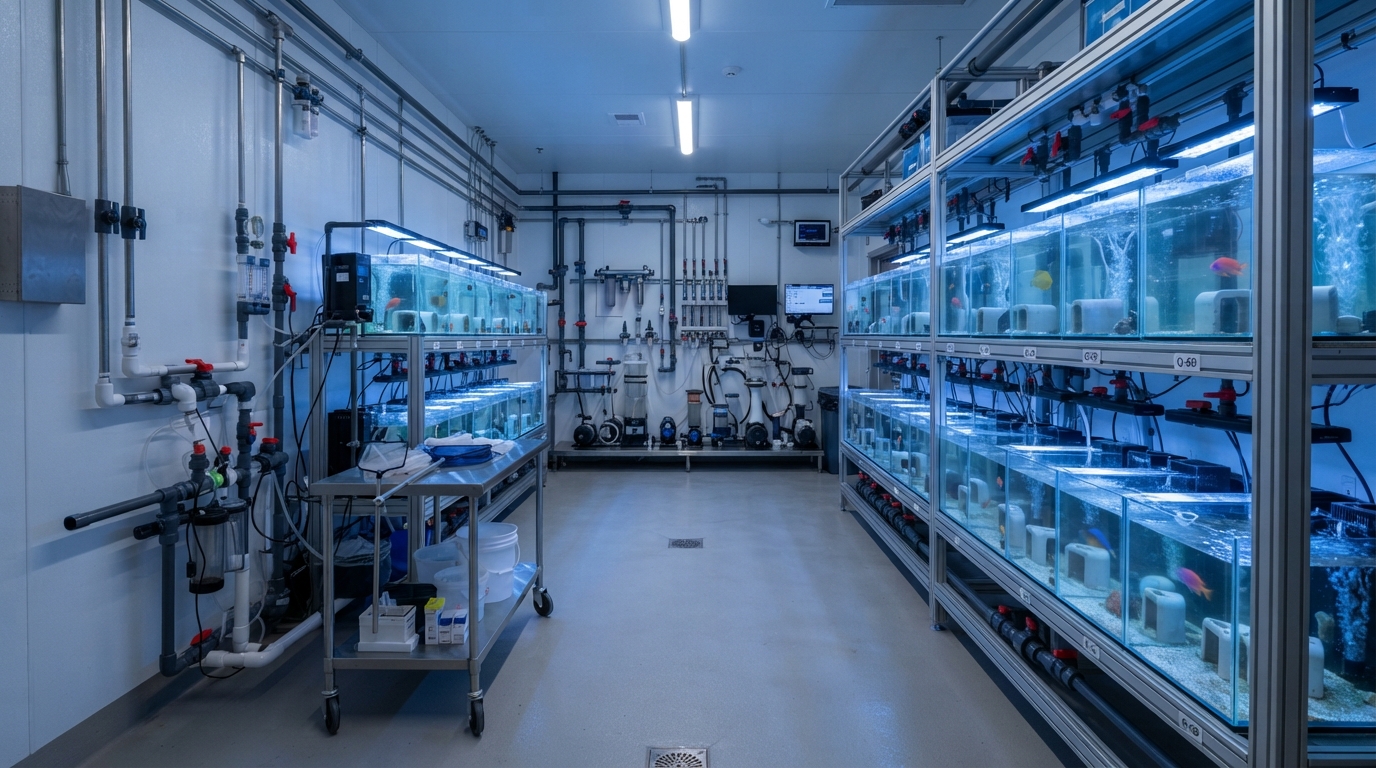
A published review of current quarantine practices across public zoos and aquaria, presented to the International Association for Aquatic Animal Medicine, examined how institutions structure incoming-animal quarantine and found physical and hydraulic isolation — separate water systems with no shared filtration or piping with display exhibits — as a consistent, defining feature of effective quarantine design. This isolation requirement is precisely why quarantine systems typically run their own dedicated life support loop rather than tapping into a facility's main exhibit LSS — any shared water connection defeats the purpose of quarantine as a disease containment measure.
Standards From Research Facility Biosecurity
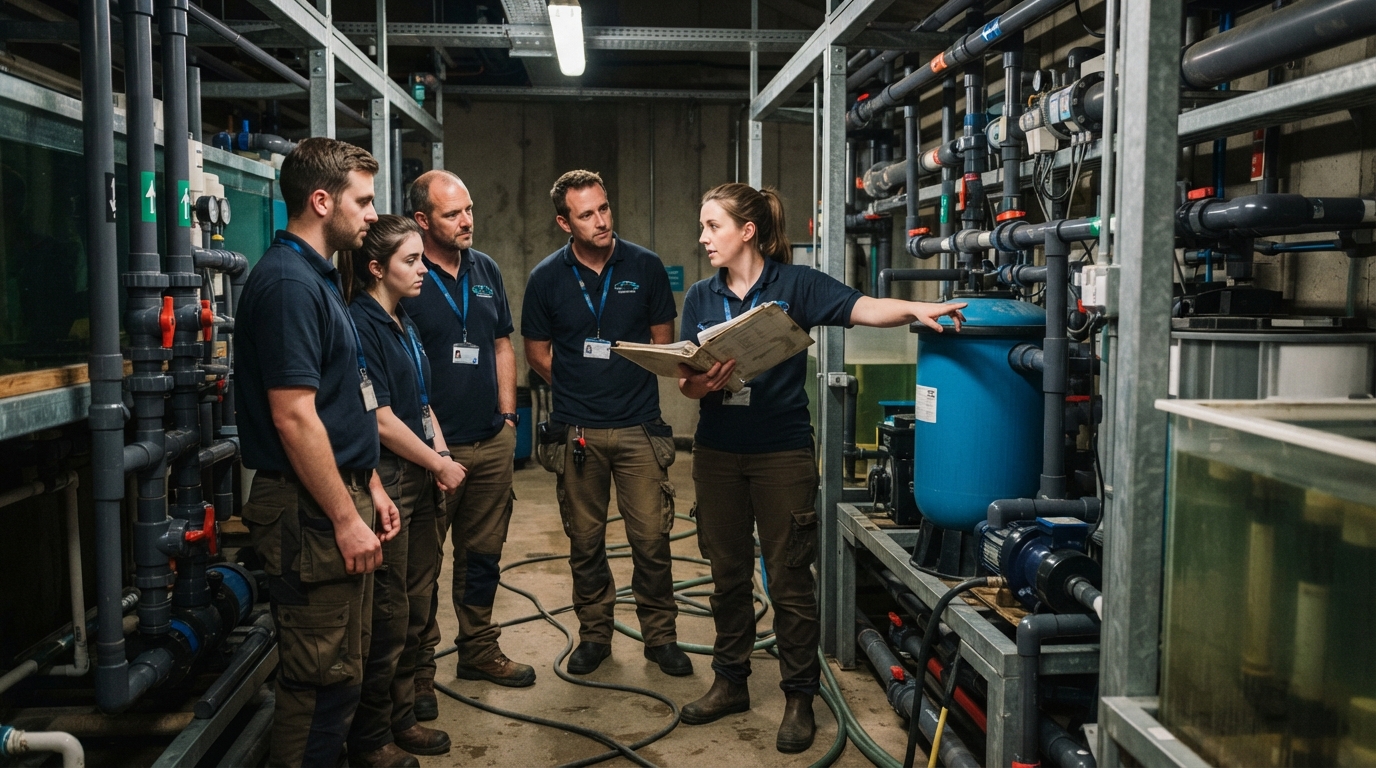
Guidance for controlling pathogens in fish research facilities, published via the National Institutes of Health's PubMed Central repository, outlines a broader framework relevant to public aquarium quarantine design: incoming animal screening, defined quarantine duration based on the pathogens of concern, controlled staff and equipment movement between quarantine and general population areas, and documented protocols rather than ad hoc practices. The Merck Veterinary Manual's chapter on production medicine and biosecurity in aquaculture reinforces the same core principles, emphasizing that biosecurity is a systems-level practice — covering water source, animal movement, and equipment sanitation together — rather than a single procedure applied only at intake.
Government Frameworks for Aquatic Animal Health
Biosecurity protocols in public aquariums also draw on government-developed frameworks originally built for fisheries and hatchery management. The U.S. Fish and Wildlife Service's Handbook of Aquatic Animal Health Procedures and Protocols provides detailed guidance on health screening, pathogen testing, and facility-level biosecurity measures, much of which has been adapted by public aquariums managing live collections. Similarly, biosecurity training materials developed by the Center for Food Security and Public Health at Iowa State University outline facility-level risk points — water source, animal introduction, equipment sharing, and staff movement — that map directly onto how public aquarium quarantine and general biosecurity protocols are structured.
Quarantine Duration and Observation
Across this literature, a consistent theme is that quarantine effectiveness depends on adequate observation time, not just physical isolation — many pathogens and parasites have incubation periods long enough that a newly arrived animal can appear healthy for days or weeks before symptoms emerge. This is why documented quarantine protocols specify minimum holding periods and structured health monitoring checkpoints, rather than treating quarantine as a fixed, brief formality before animals join the main collection.
ADEC designs fully isolated quarantine life support systems as part of every aquarium LSS project. Explore our facilities approach →
Learn moreWhy can't a quarantine system share filtration with the main exhibit LSS?+
Because shared filtration would create a direct pathway for pathogens to reach the main collection, defeating the purpose of isolation — quarantine systems are designed and plumbed as fully separate life support loops.
How long should quarantine periods typically last?+
Published guidance does not specify a single universal duration; it is generally based on the incubation periods of pathogens relevant to the species and source population, which is why documented protocols with defined observation windows are recommended over ad hoc timelines.
Is biosecurity only relevant when new animals arrive?+
No — the veterinary and fisheries literature frames biosecurity as an ongoing systems-level practice covering equipment sanitation, staff movement between areas, and water source control, not just a one-time intake procedure.
- Fish Quarantine: Current Practices in Public Zoos and Aquaria. IAAAM / PubMed.
- Recommendations for control of pathogens and infectious diseases in fish research facilities. PMC, National Institutes of Health.
- Production Medicine and Biosecurity in Aquaculture. Merck Veterinary Manual.
- Handbook of Aquatic Animal Health Procedures and Protocols. U.S. Fish and Wildlife Service.
- Biosecurity for Aquaculture Facilities. Center for Food Security and Public Health, Iowa State University.
Written and reviewed by ADEC's in-house aquarium life support and recirculating aquaculture engineers. ADEC designs, builds and operates turnkey aquarium and RAS facilities across the GCC, and is a member of the European Union of Aquarium Curators (EUAC), EUOTA and the European Aquaculture Society (AquaEAS), with CE-certified OCEANTECH™ equipment.
Get new articles in your inbox
Occasional, science-based insights on aquarium LSS and RAS aquaculture. No spam.