
23,335 m² of proof.
Turkey’s first closed-circuit land-based aquaculture facility — designed, built and operated by ADEC. The living foundation of everything we do.
The most important thing we can show you.
The ADEC Milas Aquaculture Facility is the most important thing we can show a prospective RAS client — not because it is the world’s largest or most complex, but because it is ours. We made the investment. We took the risk. We dealt with everything that went wrong and learned from it.
And we keep operating it, every day, because we believe in land-based RAS as a production model and because the operational knowledge it generates is the foundation of everything we do for clients. It is a multi-species production facility with bore-hole water sources spanning 0–25 ppt salinity, indoor hatchery and grow-out RAS, quarantine units, outdoor ponds, and processing capability.
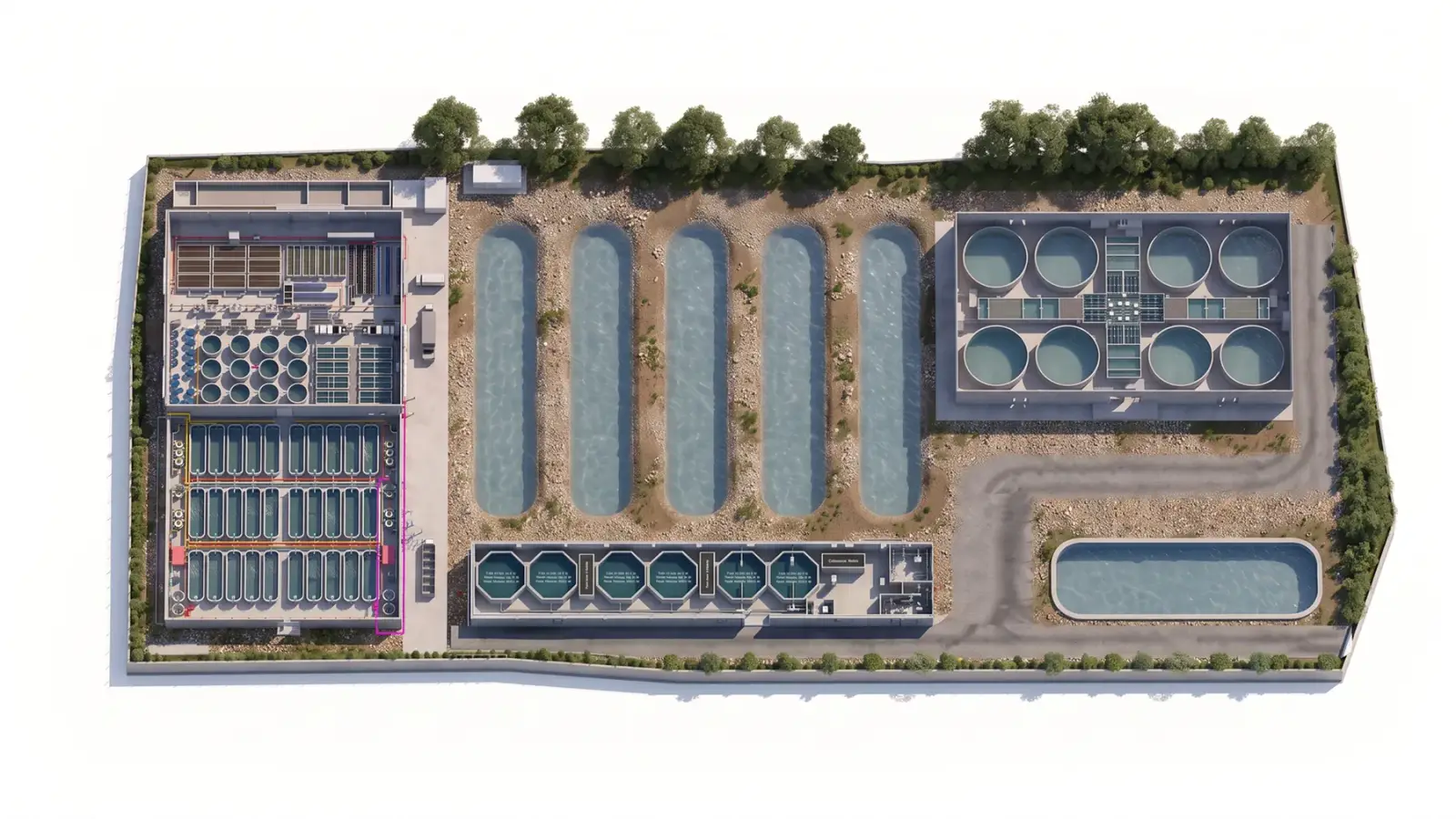
One campus, every production stage.
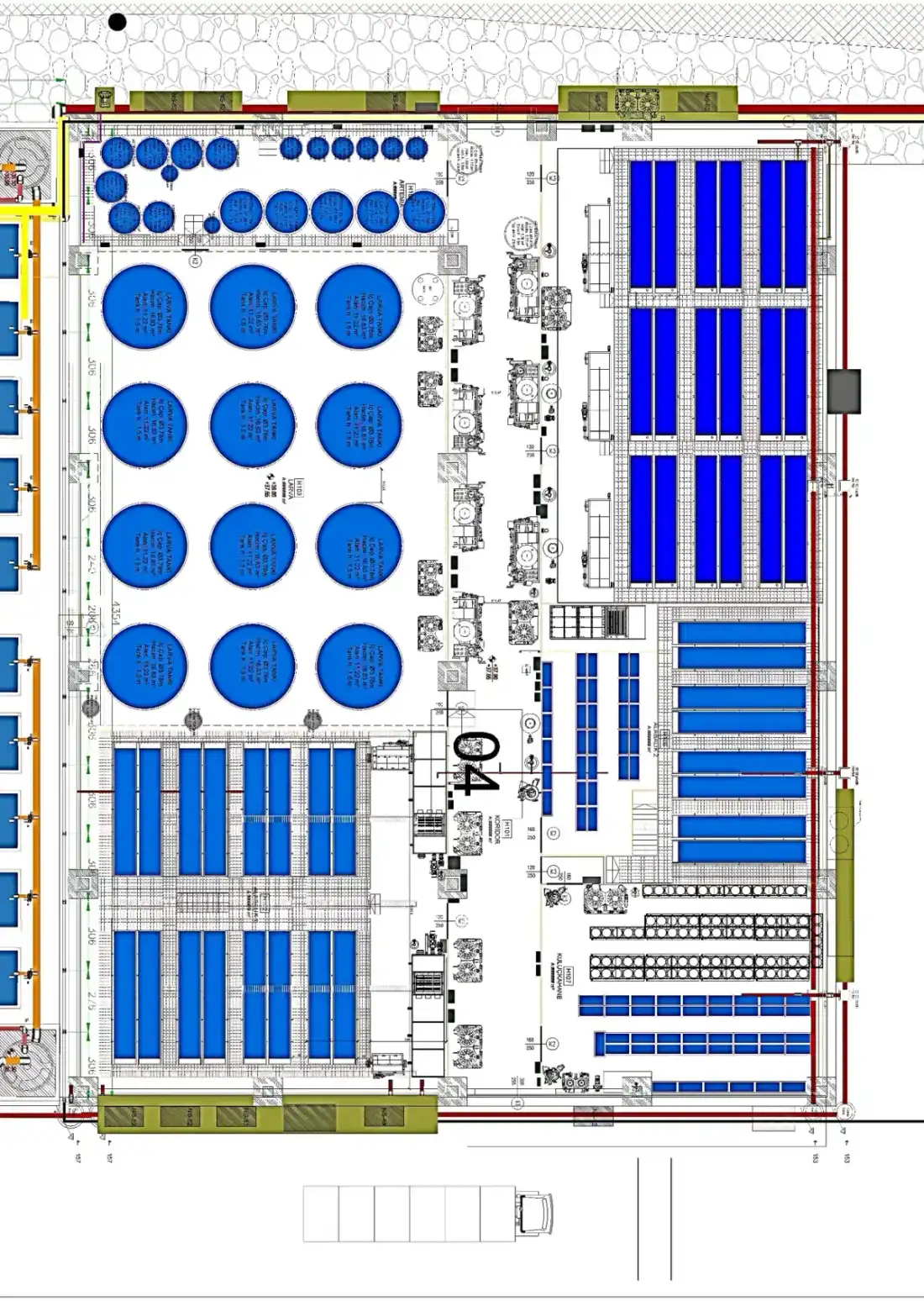
The Milas campus integrates raw water treatment, indoor hatchery and live feed production, adaptation raceways, grow-out RAS, quarantine, outdoor ponds and processing on a single 23,335 m² site — with the new Smolt RAS expansion now under construction.
A real, running production facility
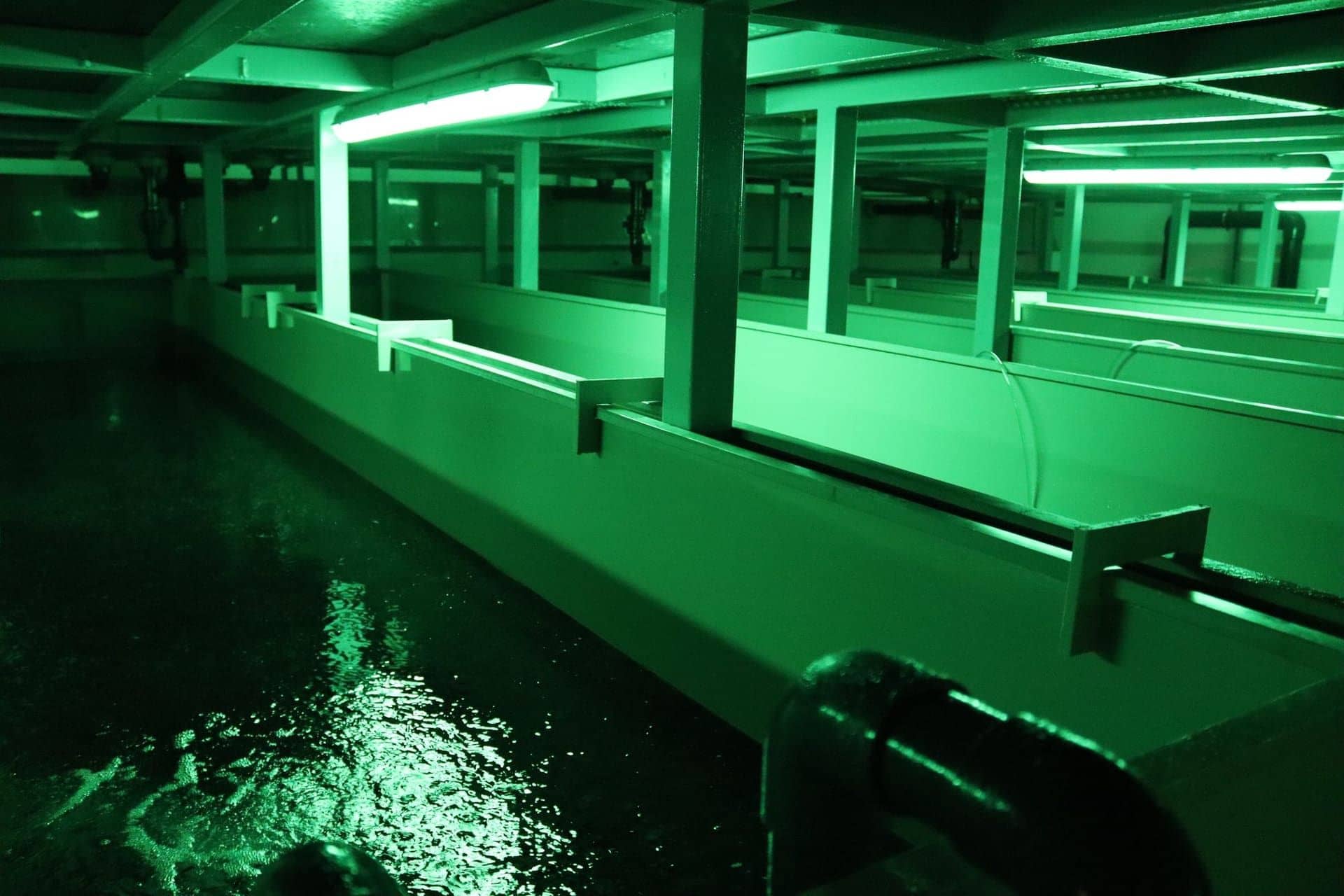
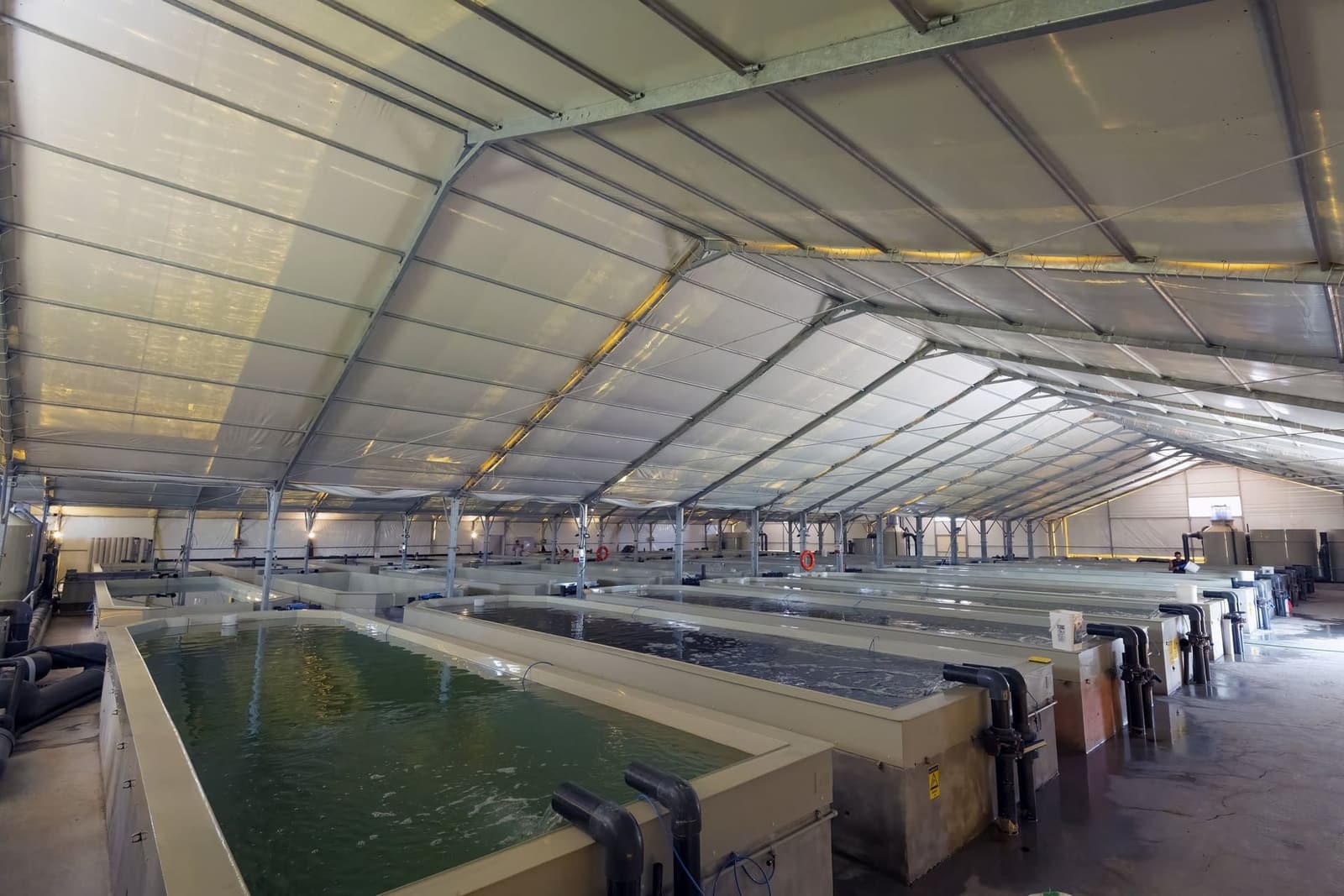
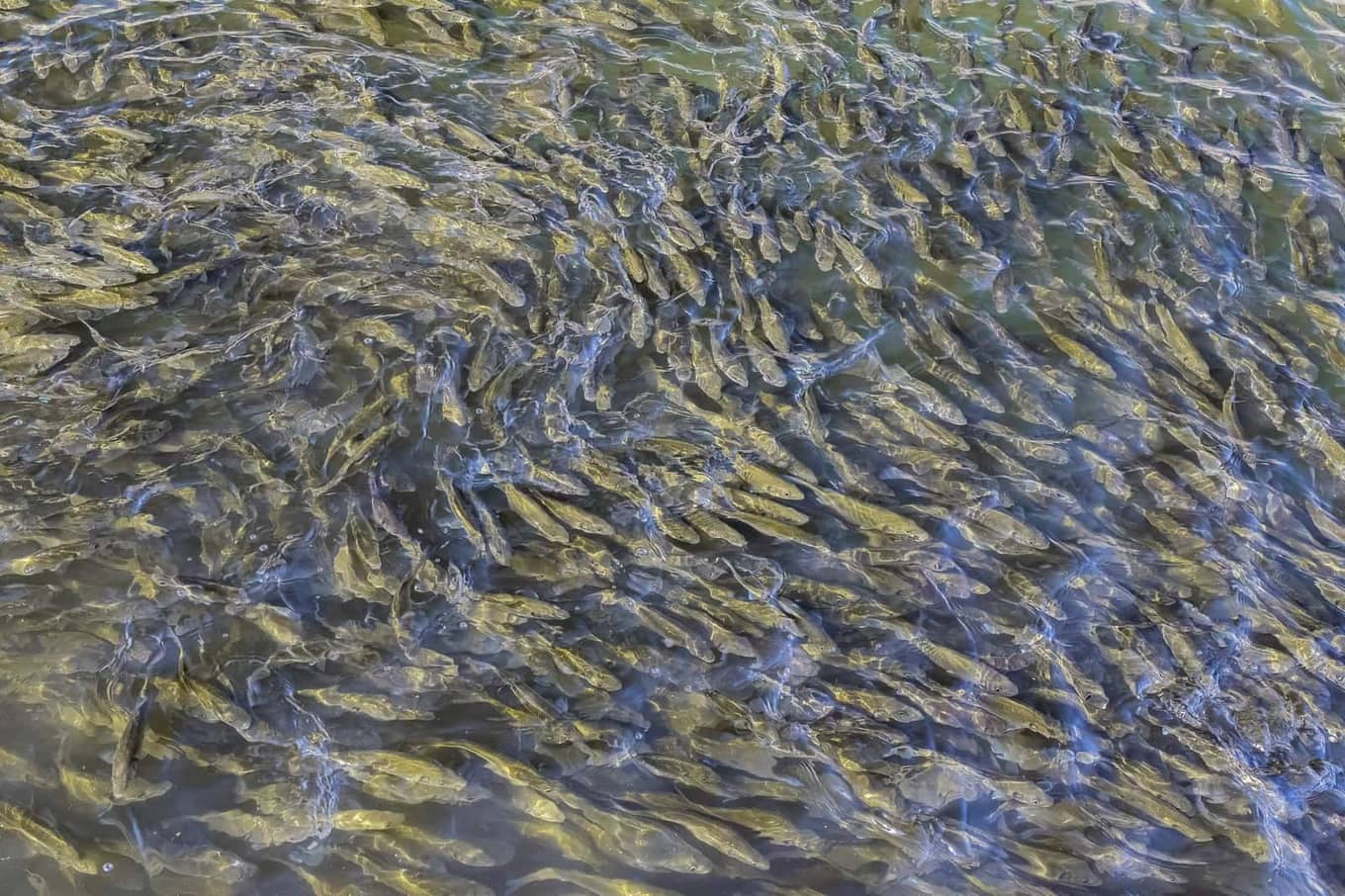
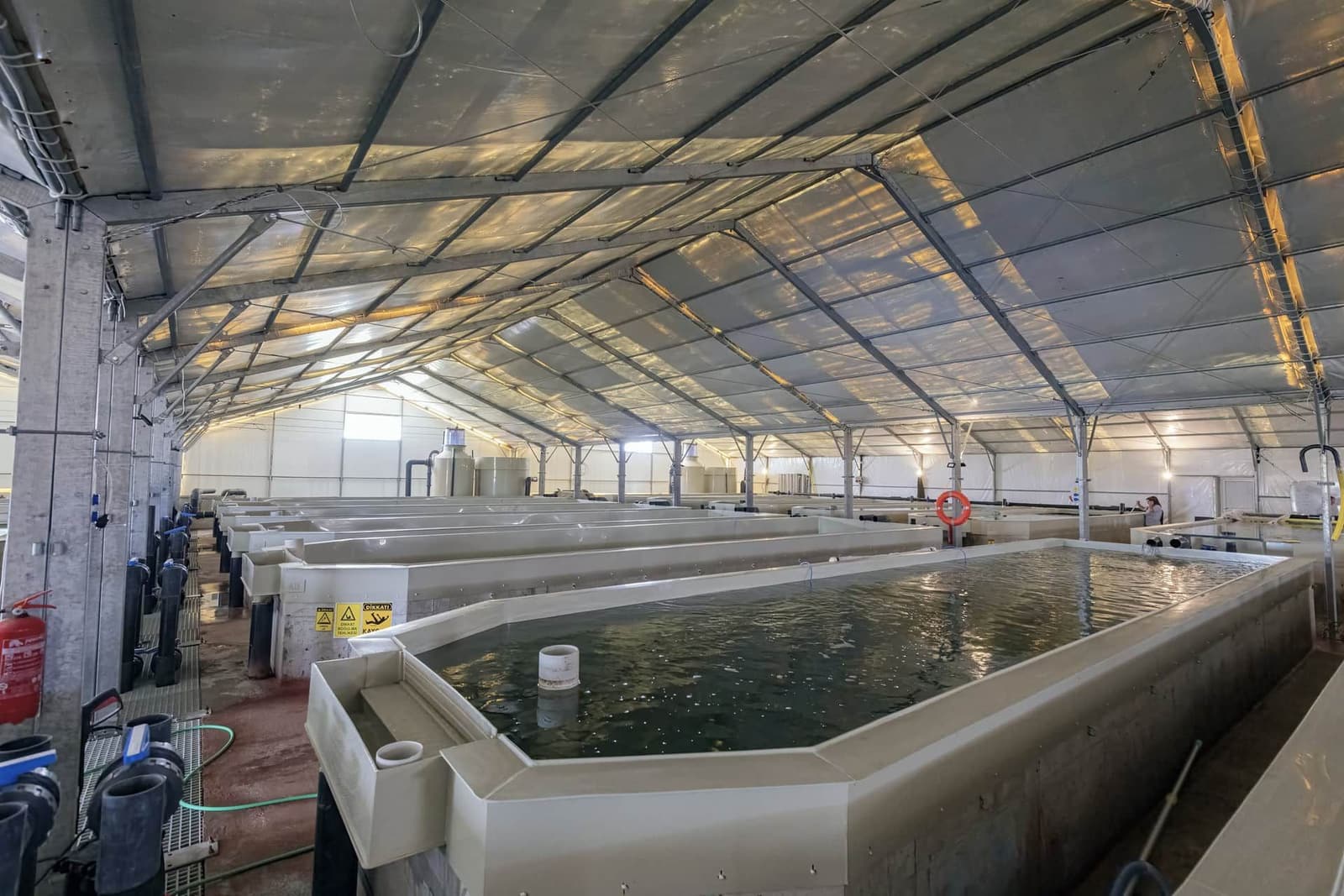
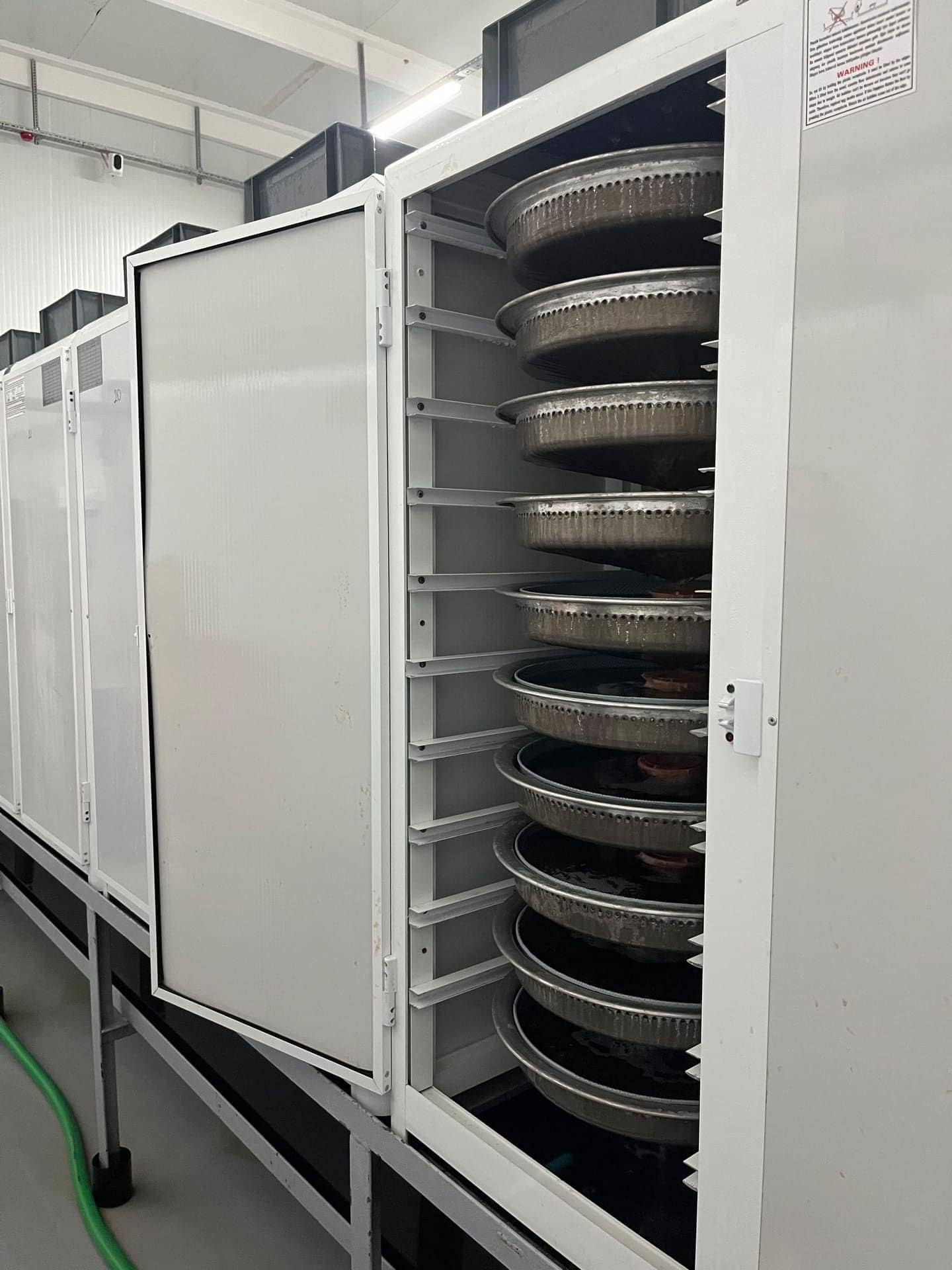
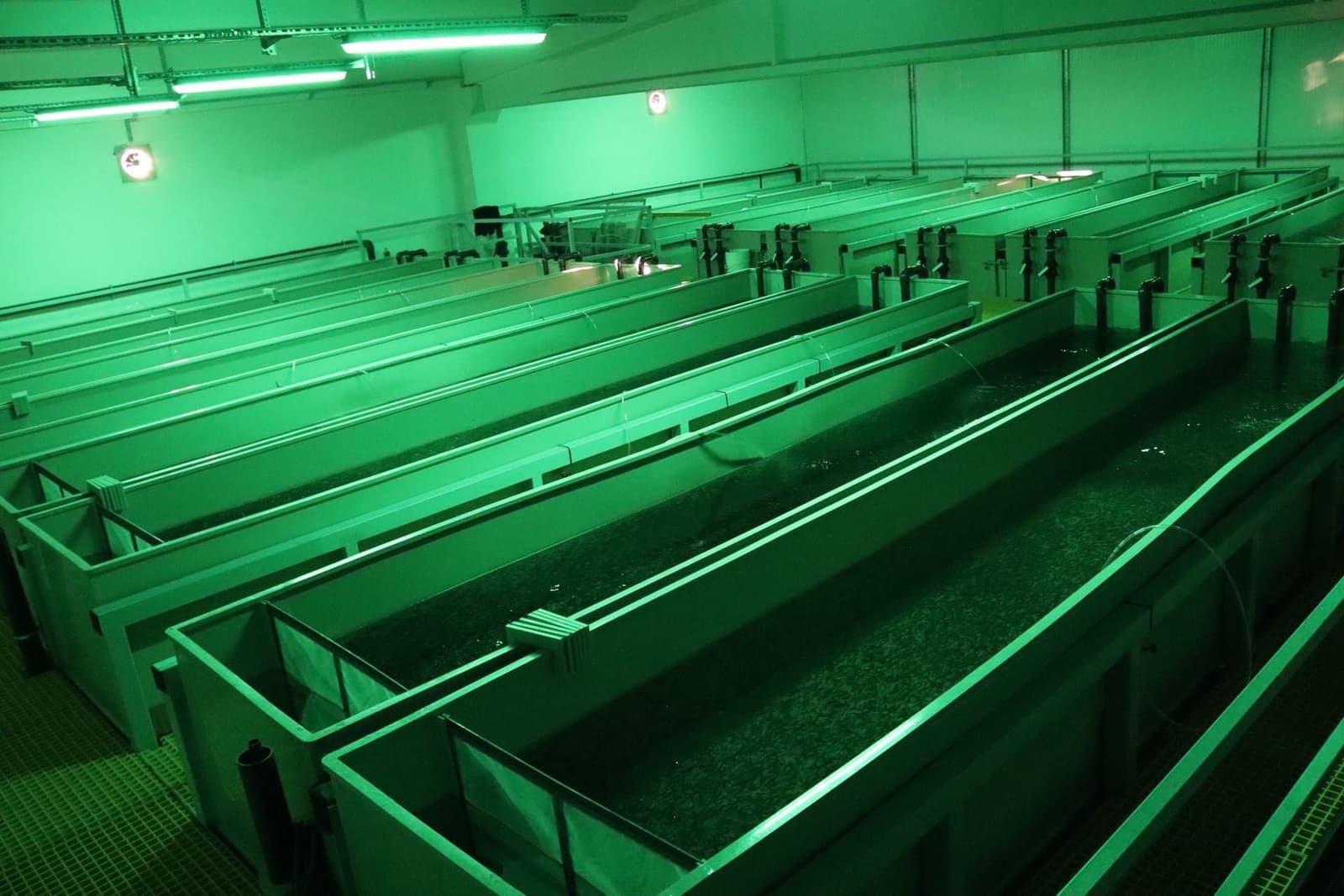
Not a showroom. These are the live recirculating systems at Milas — hatchery, incubation, adaptation and grow-out — running ADEC-manufactured equipment under commercial production conditions every day.
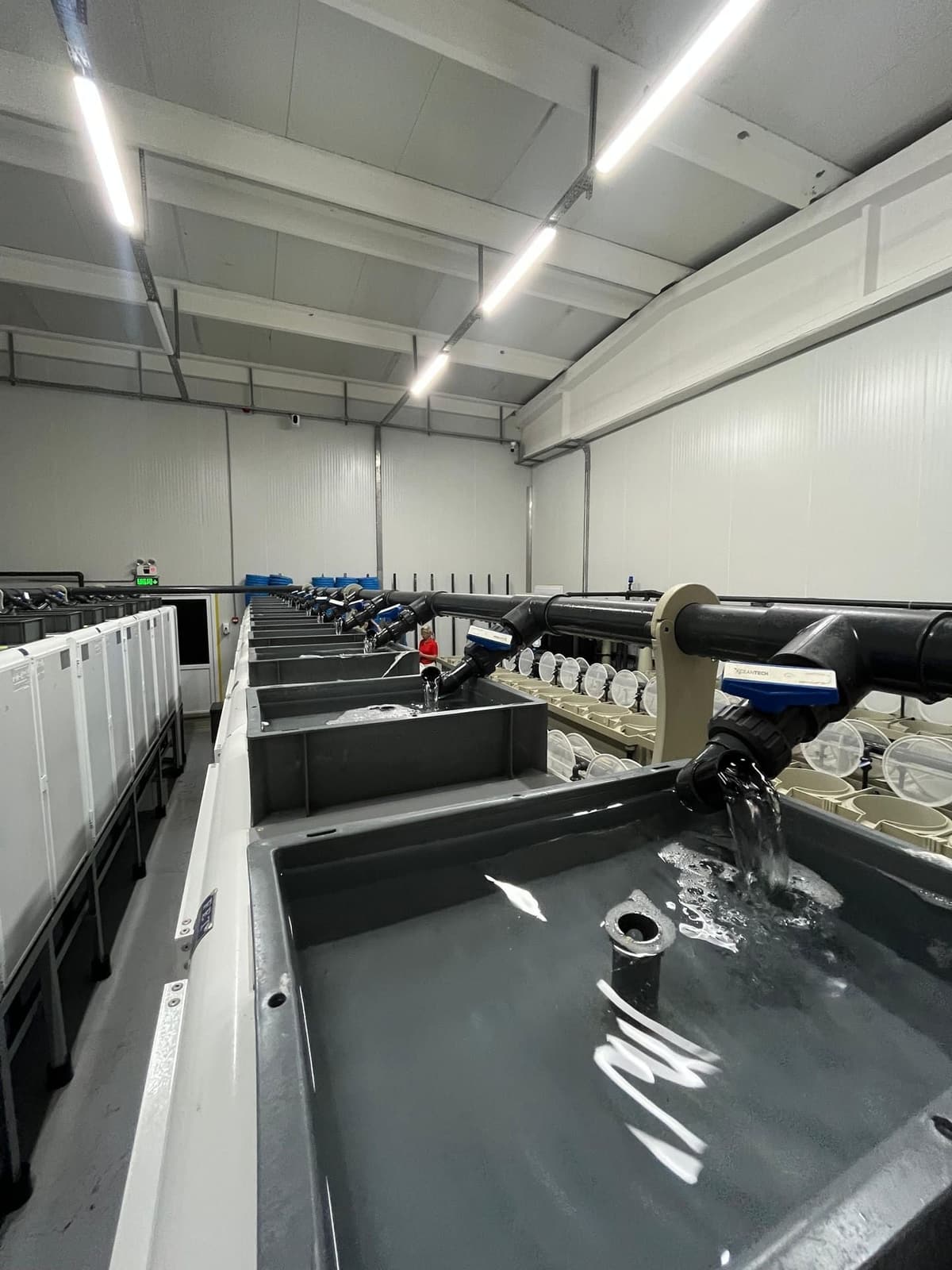
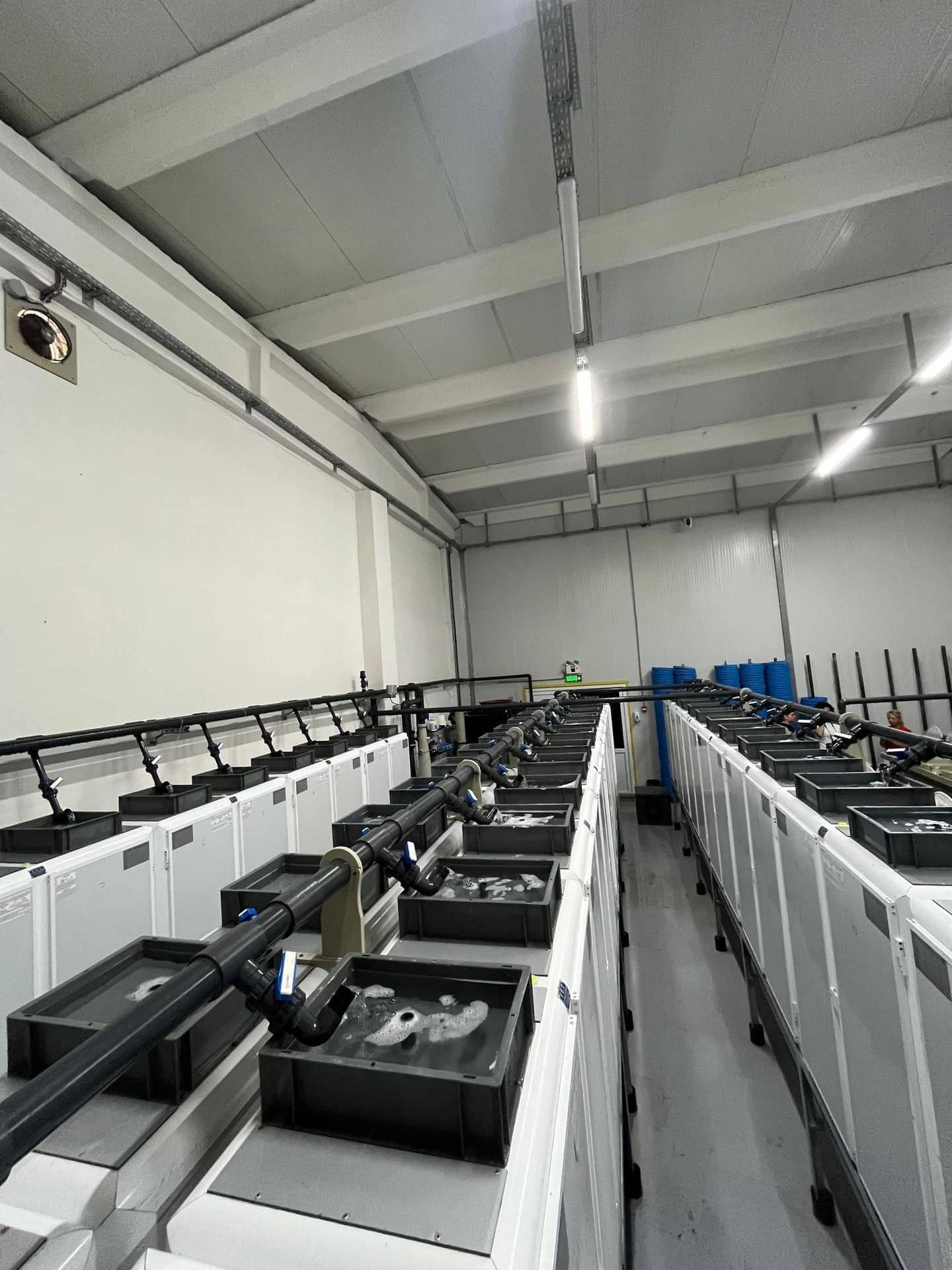
Six interconnected production zones
Raw Water Treatment
Five bore holes spanning 0–25 ppt salinity — operational flexibility across freshwater, brackish and marine species. In-house pre-treatment designed and operated by ADEC for consistent process water quality regardless of source variability.
Indoor Hatchery & Adaptation RAS
Closed-circuit recirculating systems for larvae, juvenile and acclimation production. Precision control of temperature, salinity, photoperiod and feeding across multiple species — the most technically demanding section, and the one that generates the most engineering learning.
Indoor Grow-Out RAS
Commercial-scale grow-out systems running ADEC OCEANTECH™ equipment under real production stocking densities. This is where client teams conduct their practical training — live equipment, live fish, real operational decisions.
Quarantine Units
Dedicated biosecurity infrastructure for incoming stock — a critical but often underspecified element of RAS design. The quarantine protocols developed at Milas inform the biosecurity standards we apply in every client facility.
Outdoor Ground Ponds
Supplementary production capacity for species and life stages where outdoor pond conditions are appropriate, integrated with indoor RAS for flexible production management.
Processing & Packing
Complete post-harvest capability: harvest, grading, processing and packing for market supply. Live species packing for ADEC aquarium projects. Also serves as a training ground for client teams learning the full production chain.
"Before you invest in a RAS facility, you should visit one that is operating — managed by the people who will build yours, running the equipment that will be in your facility. ADEC can offer you exactly that."
Where production begins.
The indoor hatchery runs closed-circuit systems for larval and juvenile production, supported by a dedicated live feed hall — the cultures that feed the earliest and most sensitive life stages are produced on site, next to the tanks they supply.
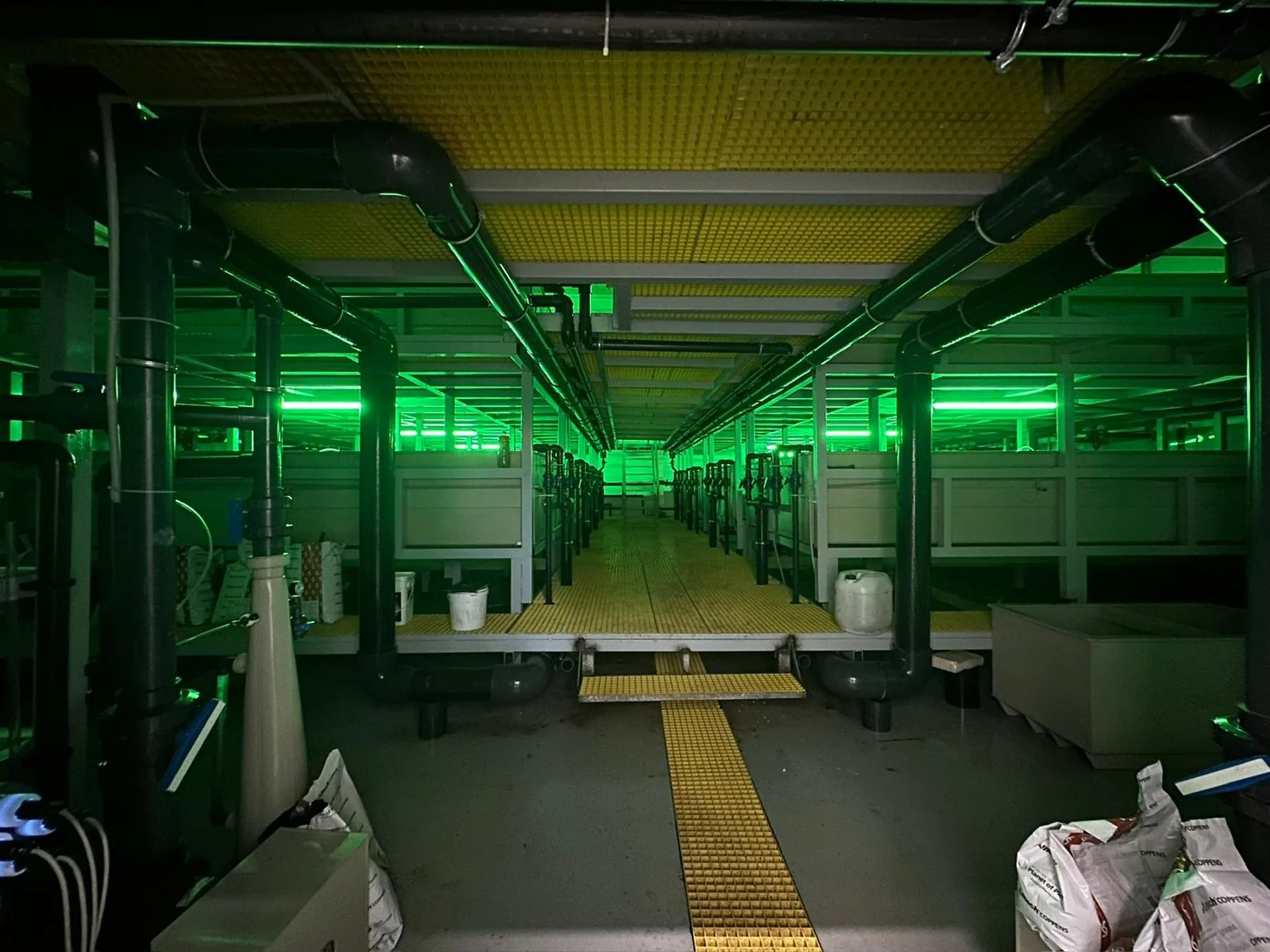
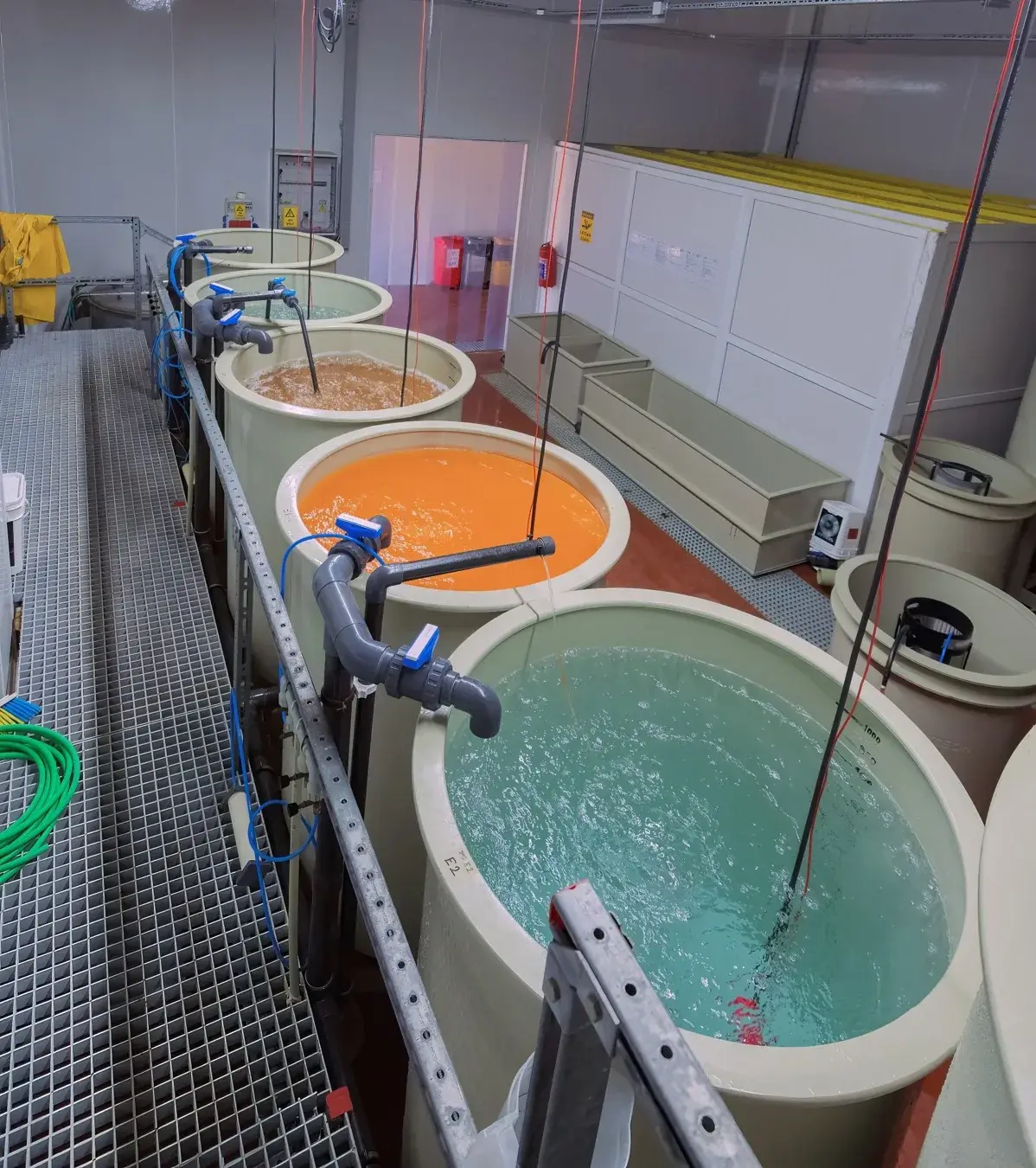
From hatchery to grow-out.
Adaptation raceways bridge the hatchery and grow-out stages — acclimating juveniles across the facility's 0–25 ppt salinity range under controlled conditions before they enter commercial production.
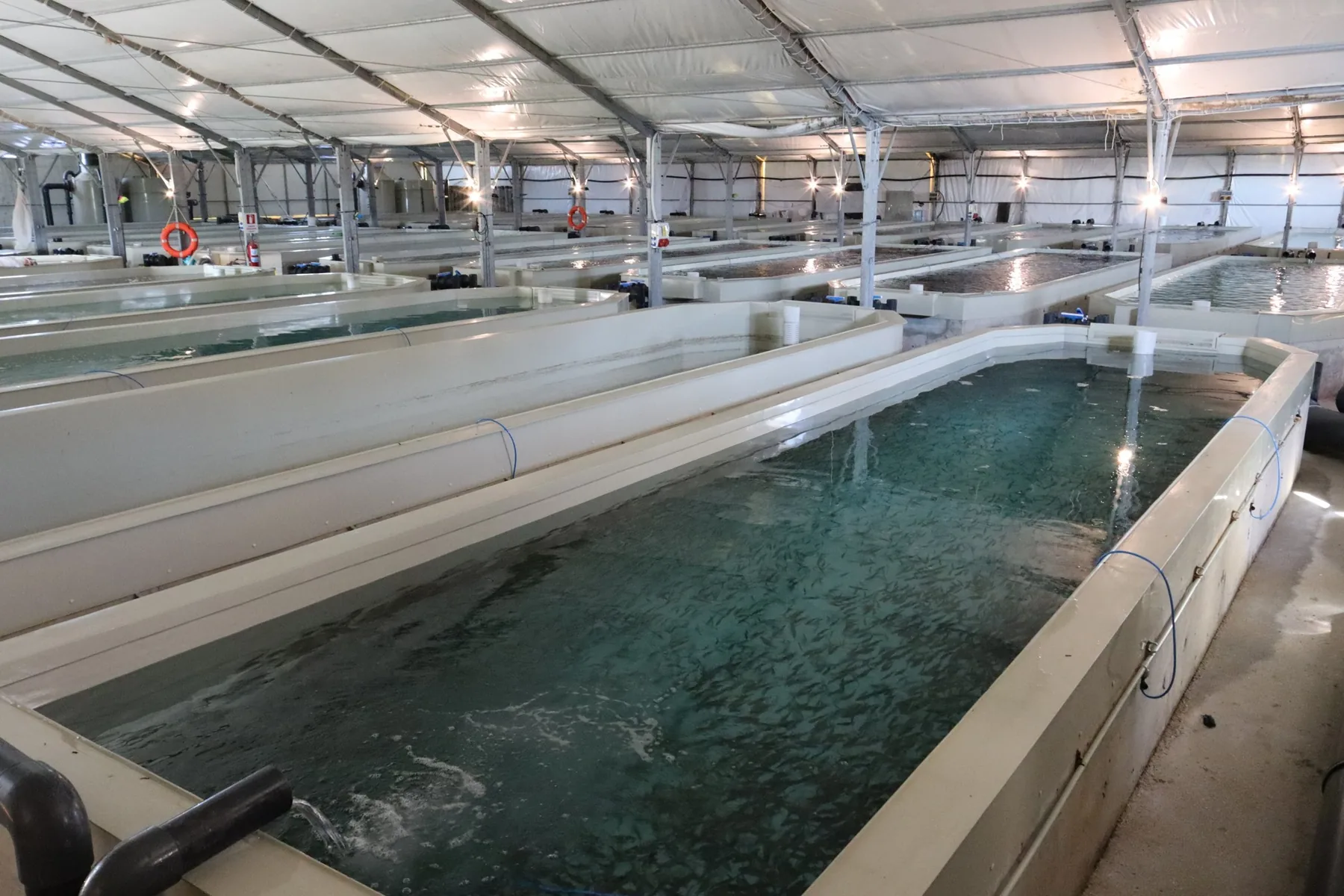
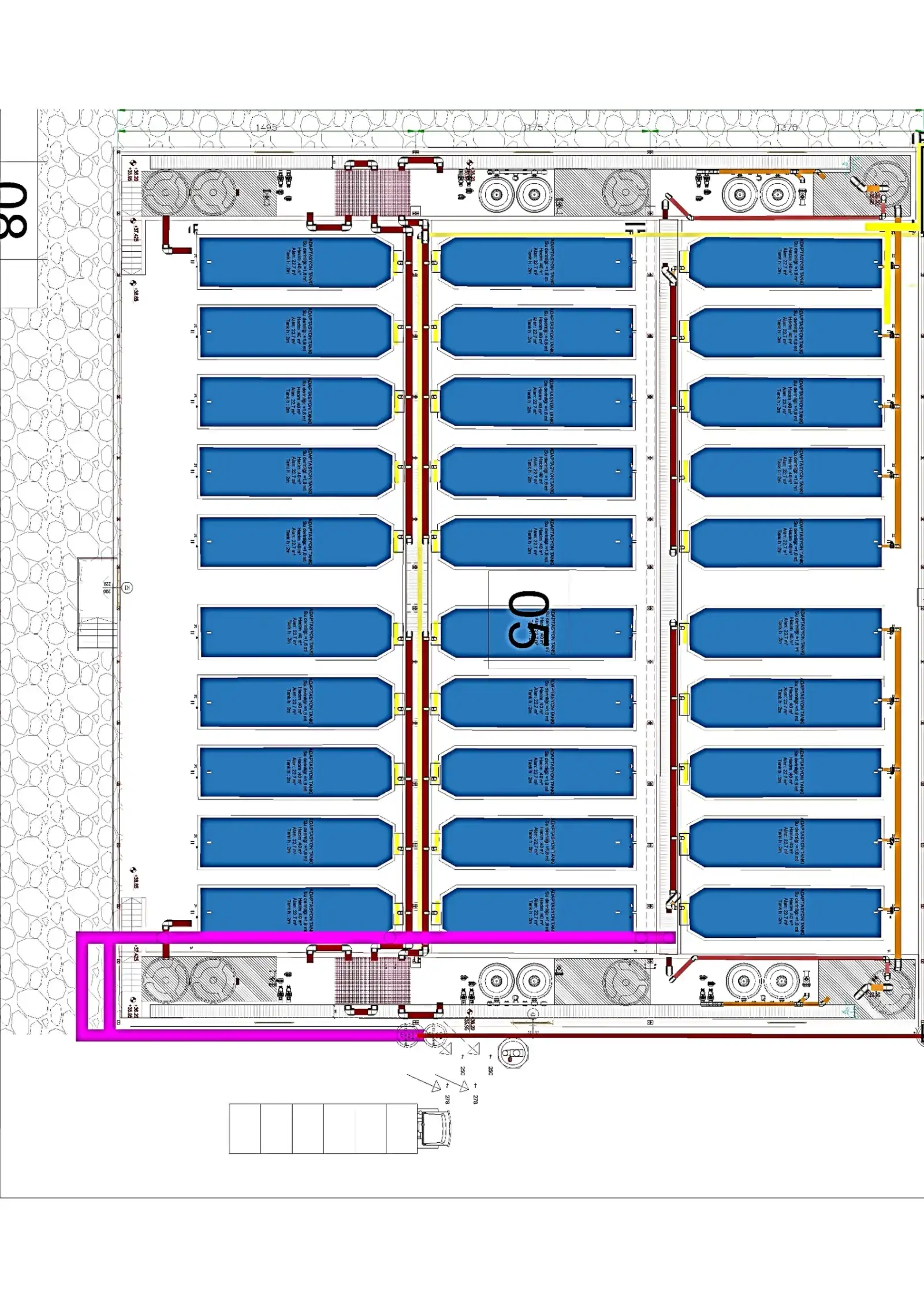

Your team trains on live equipment — before your facility opens.
The most underestimated risk in a RAS investment is not the engineering — it is the people who will operate the facility after handover. As part of every ADEC project, the client’s core team travels to Milas for structured, hands-on training on live, running equipment of the same type that will be installed in their facility.
“When your facility opens, your team arrives knowing the equipment — because they have already operated it.”
System Understanding
Full orientation to the recirculating system — water flow path, treatment stages, component interdependencies and the hydraulic logic of the design. Participants trace the complete water journey from tank outlet to return.
Daily Operations
Hands-on practice of the daily routine: morning water quality checks, feed management, fish health observation, filter backwash cycles, oxygen monitoring and log-keeping — a full operational day under supervision of ADEC’s Milas team.
Maintenance & Fault Response
Planned maintenance for all major equipment. Fault diagnosis using ADEC’s standard decision-tree protocols. Emergency response practice — low oxygen, pump failure, power interruption — in a controlled environment where fish are not at risk.
Commissioning & Biological Start-Up
Understanding the biological commissioning phase — establishing the nitrifying bacteria culture that is the heart of the RAS. Participants learn to monitor ammonia and nitrite during cycling and make the decisions that determine smooth start-up.
We make what we install.
We install what we make.
Every OCEANTECH™ component supplied to a client is manufactured in ADEC’s Turkish production facilities — and the same equipment runs in our own Milas facility. We would not supply equipment we do not trust enough to run ourselves.
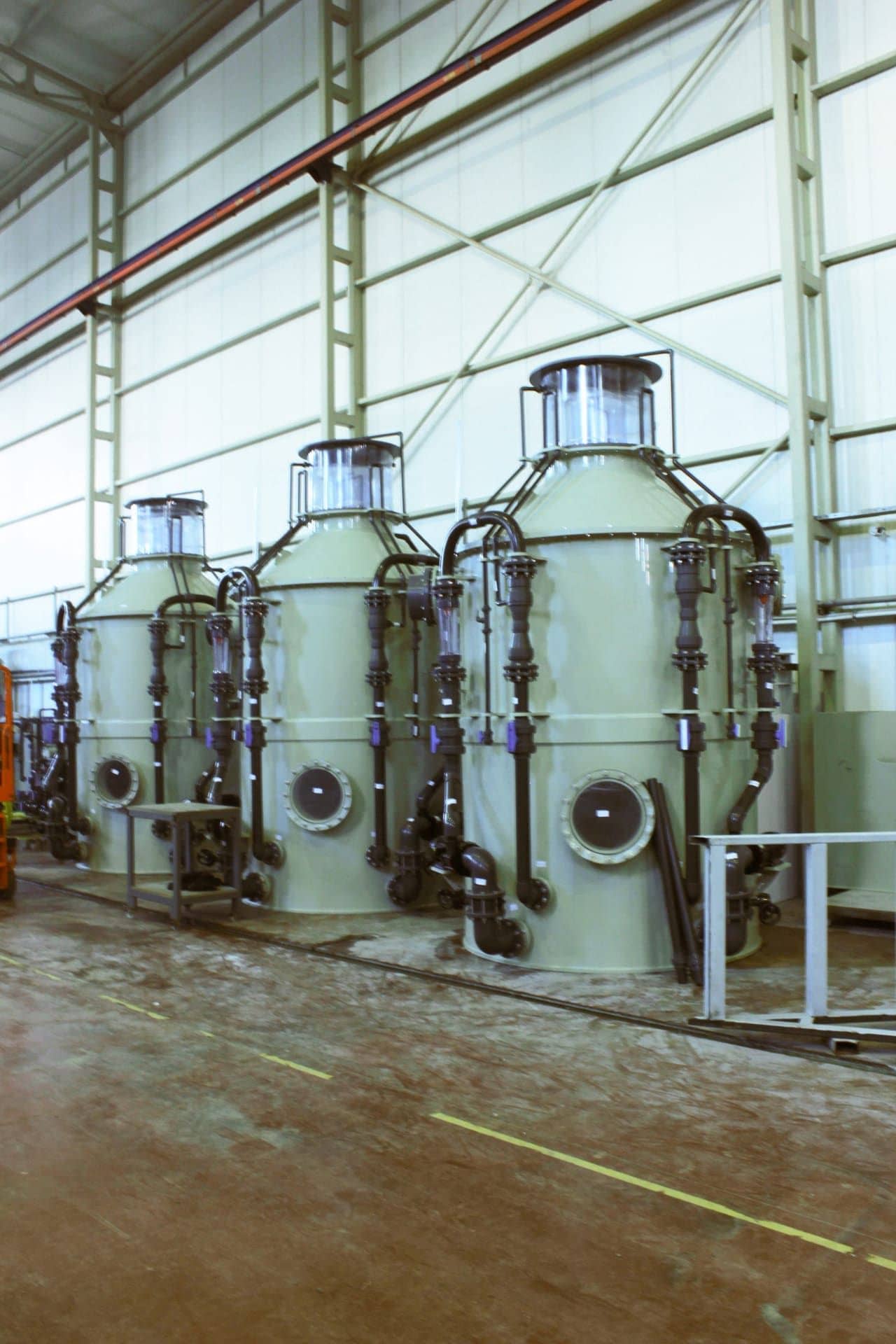
Tuzla HQ Factory — Istanbul
OCEANTECH™ biofilter, protein skimmer and mechanical filter assembly. Full hydraulic test loop for pre-shipment commissioning — the same protocols used for client equipment are used for Milas replacements.
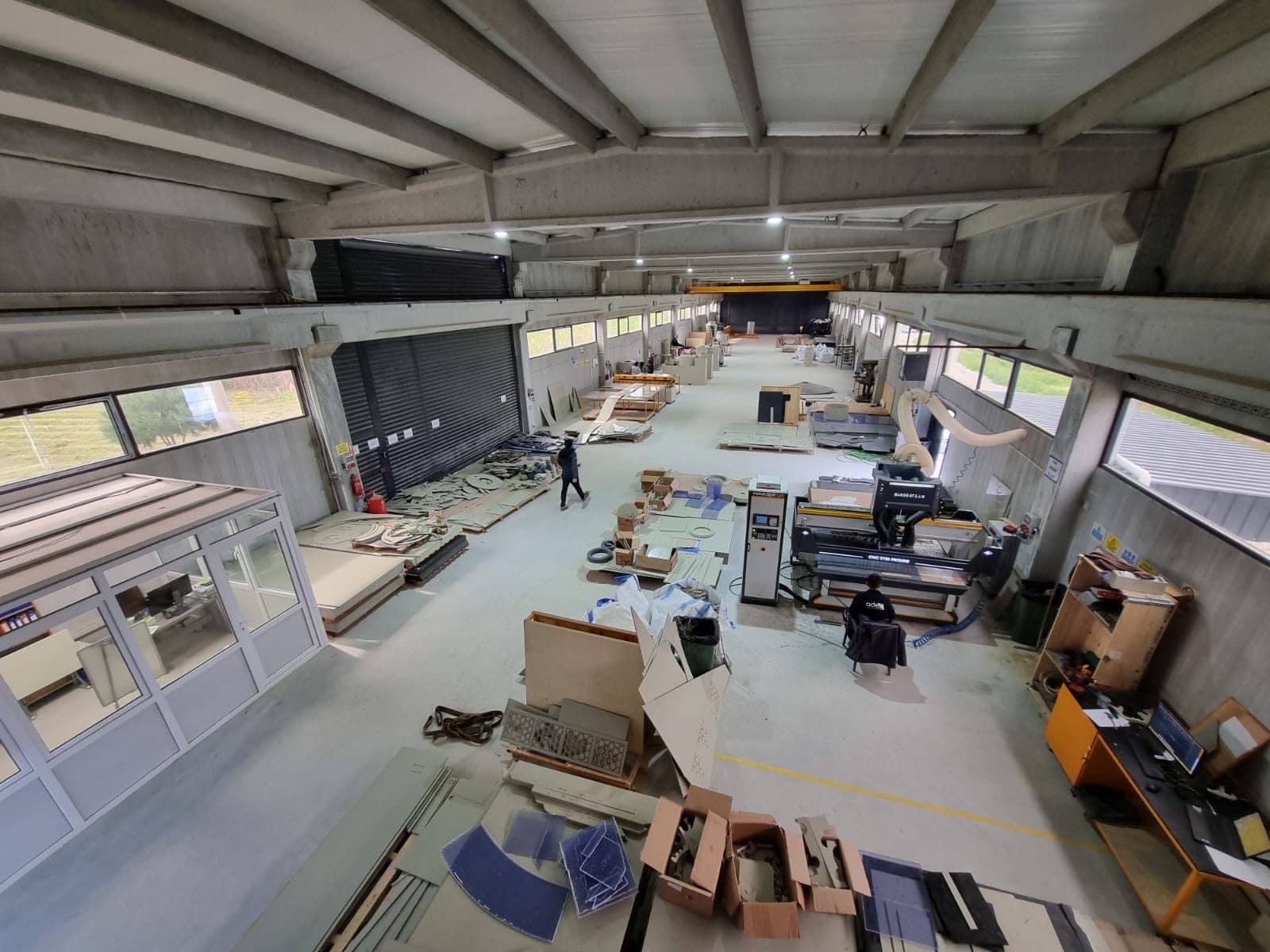
Milas Thermoplastic Factory
CNC-precision tank and housing fabrication. The tanks running in the Milas aquaculture facility were manufactured in the adjacent factory — same processes, same standards, same team.
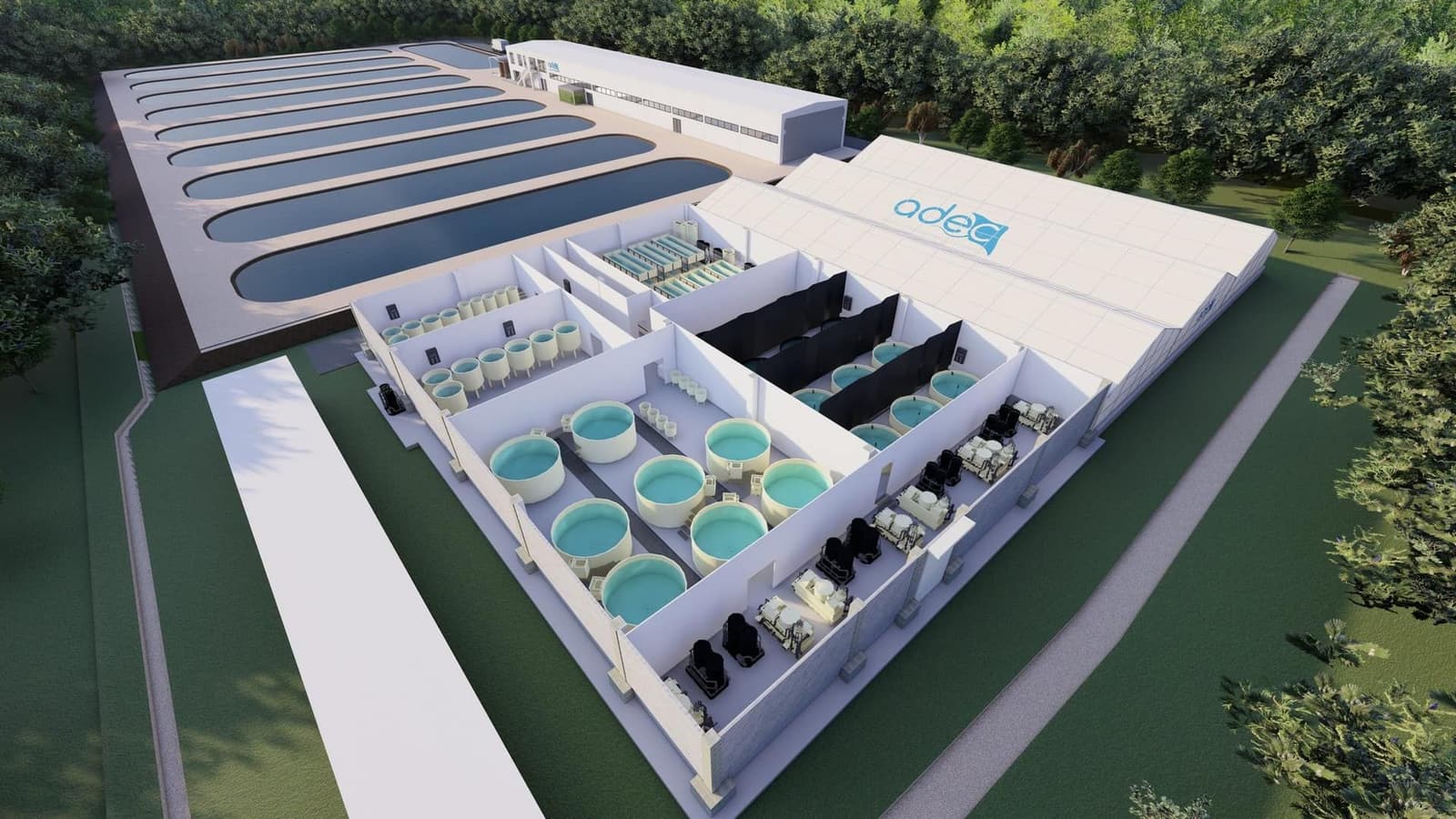
Milas Aquaculture Facility
A live production environment for ongoing equipment validation. When ADEC develops a new product variant, it goes into Milas first — clients receive equipment with operational validation, not just factory test data.
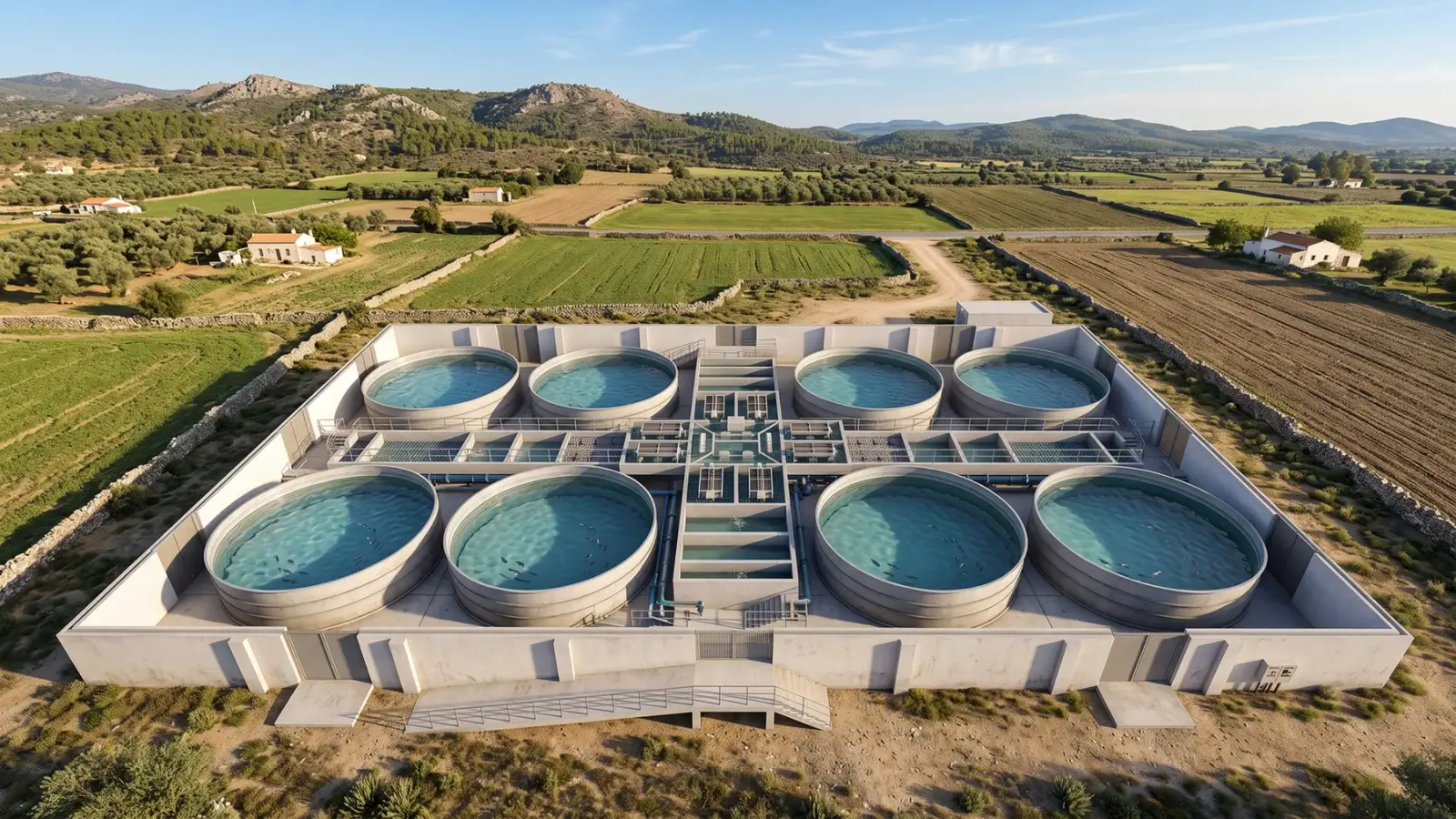
The next phase: Smolt RAS.
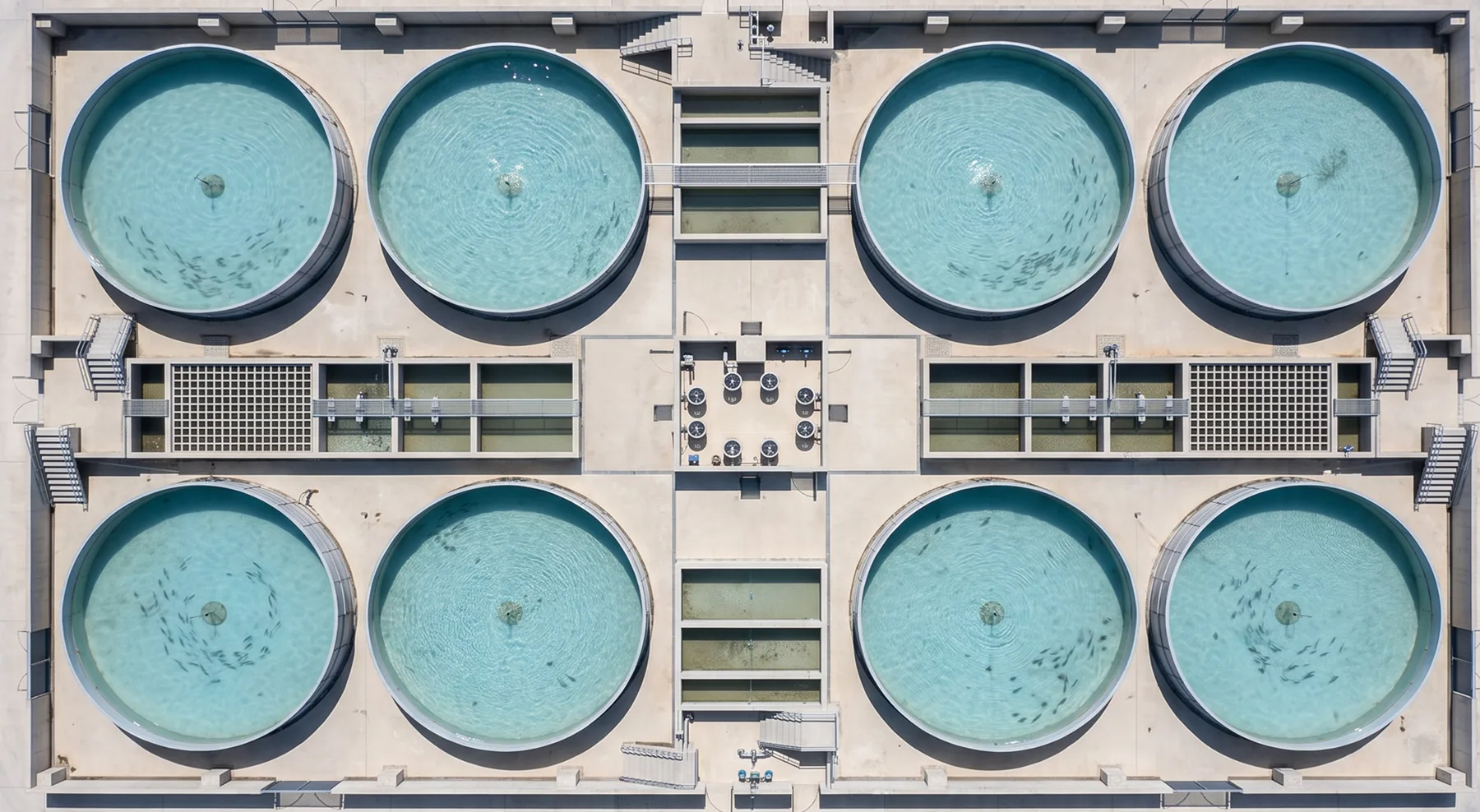
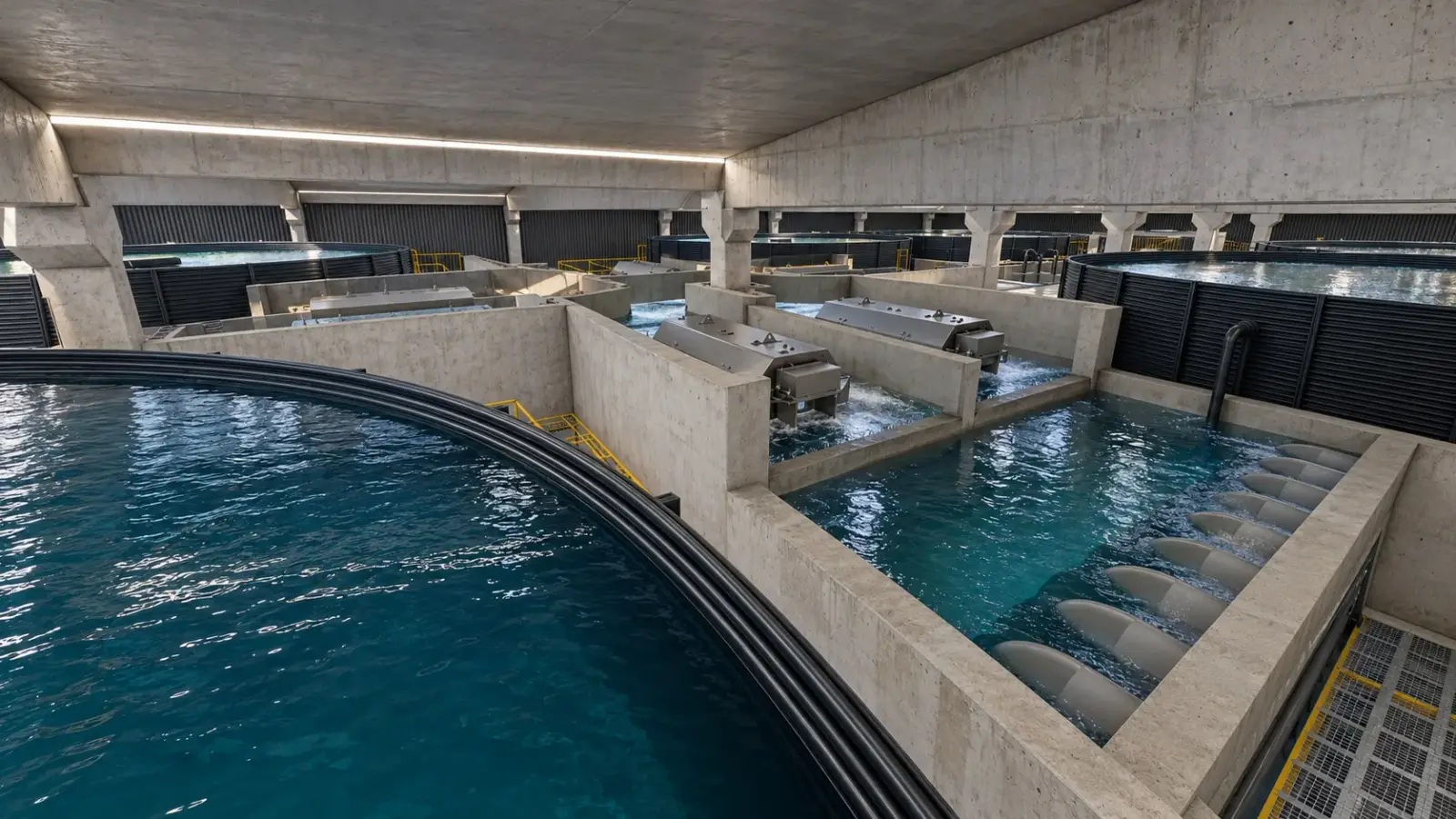
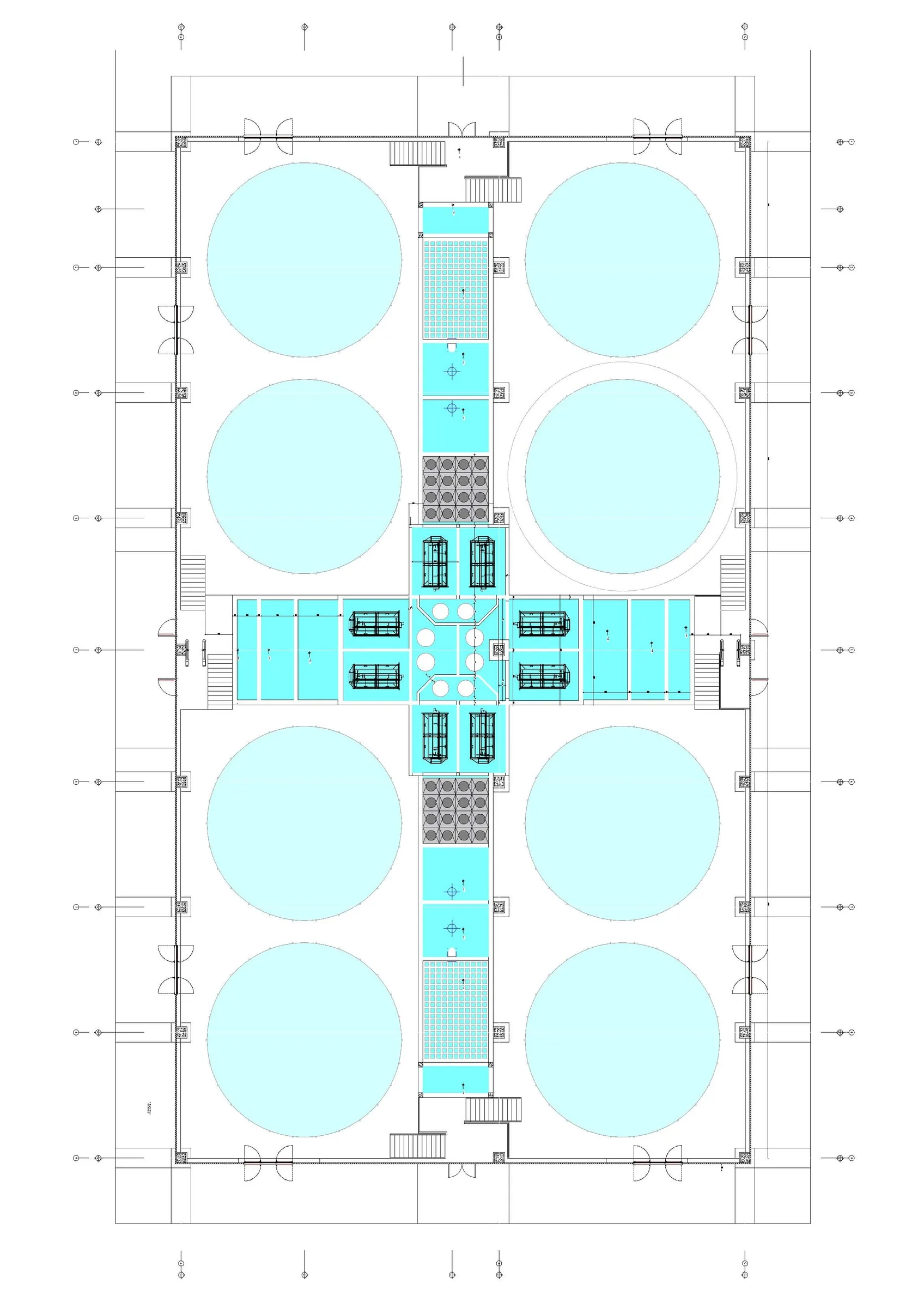
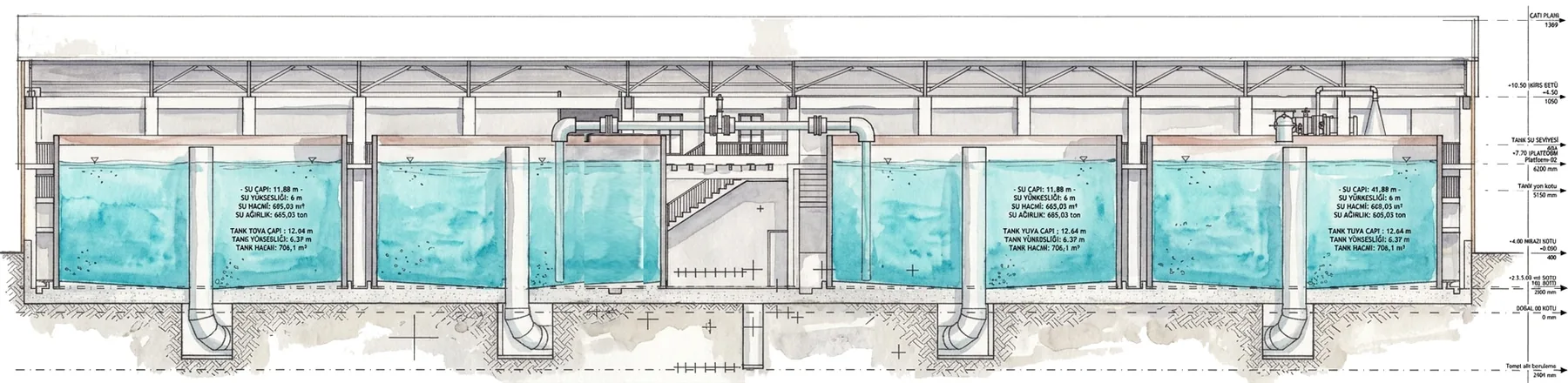
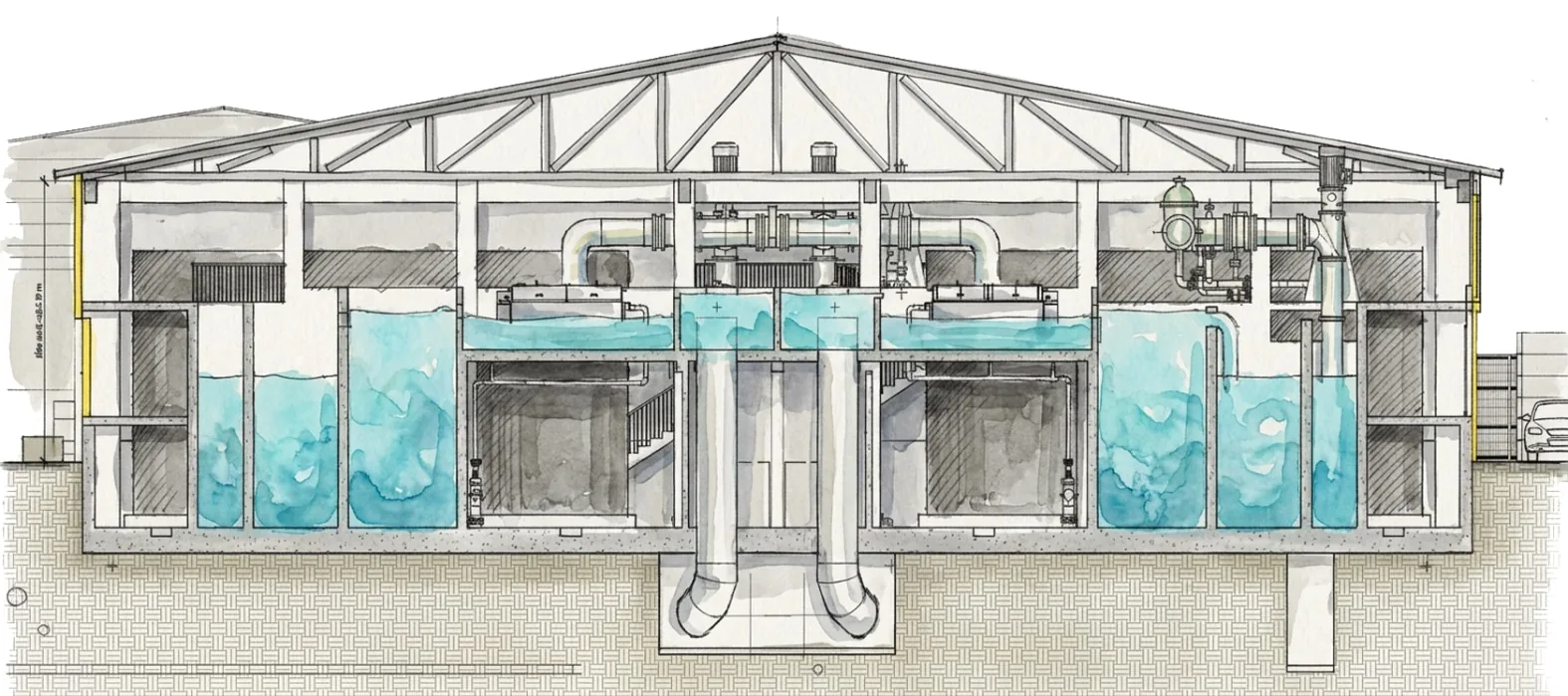
A new smolt production RAS is under construction on the Milas campus — 8 culture tanks at 600 m³ nominal volume each, for a combined nominal culture volume of 4,800 m³. Designed, engineered and built by the same ADEC team that runs the rest of the campus.
Producers who stock from Milas.
Fingerlings and juveniles produced at the Milas hatchery are supplied to commercial producers — the clearest proof that the facility's output meets the standards of the industry it serves.
 Agromey
 Gümüşdoğa
 Karsom
 Kuzuoğlu
 Noordzee
 Polifish
 Sürsan
 Yomra